What Is Polysuccinimide (PSI)? A Comprehensive Introduction
In the world of advanced materials, Polysuccinimide (PSI) is emerging as a versatile and eco-friendly polymer that is gaining attention for its unique properties and wide range of applications. Derived from renewable resources, Polysuccinimide offers several key advantages, including its biodegradability, non-toxicity, and potential in various industries, such as water treatment, agriculture, personal care, and biomedical engineering.
This comprehensive guide will explore Polysuccinimide, explaining its chemical structure, manufacturing process, applications, and advantages. By the end of this article, you’ll have a thorough understanding of why this biodegradable polymer is considered a sustainable solution across multiple fields.
What is Polysuccinimide (PSI)?
Polysuccinimide (PSI) is a polymer made from succinic acid, which is an organic acid that can be derived from fossil or renewable sources like bio-based feedstocks. It is a synthetic polymer that can be formed through polymerization of succinimide, a derivative of succinic acid, under specific conditions. The polymerization process results in a biodegradable, non-toxic material that has the potential to be used in various applications.
PSI is part of the biopolymer family, which means that it is environmentally friendly and breaks down into harmless byproducts, making it an excellent alternative to petroleum-based plastics. This feature has made Polysuccinimide an attractive choice for applications where sustainability and environmental impact are of great concern.
Chemical Structure of Polysuccinimide (PSI)
The chemical structure of Polysuccinimide is characterized by repeating units of succinimide or succinic acid, forming a polymeric chain. These chains are connected via amide bonds, making Polysuccinimide a polyamide-like polymer. The repeating unit in the polymer backbone gives PSI its inherent stability and durability, while also allowing for its biodegradability when exposed to environmental conditions.
- Key Features of the Chemical Structure:
- Biodegradable: Due to the presence of ester and amide linkages, PSI can be broken down by microbes in the environment.
- Hydrophilic Properties: The polymer has water-attracting characteristics, which makes it useful in water treatment and other aqueous-based applications.
- Thermal Stability: PSI retains its stability over a broad range of temperatures, which is essential for industrial and engineering uses.
Manufacturing Process of Polysuccinimide
Polysuccinimide is typically synthesized through a polymerization reaction involving succinic acid or its derivatives. This process may be achieved through various techniques, such as ring-opening polymerization, condensation polymerization, or solvent-based methods. The key steps in the manufacturing process typically include:
- Preparation of Succinic Acid: Succinic acid is first obtained, either from petroleum-based sources or, more sustainably, from renewable bio-based feedstocks like corn or sugarcane.
- Polymerization Reaction: Succinic acid or its derivatives are polymerized under controlled conditions (temperature, solvent, catalyst) to form Polysuccinimide.
- Purification: The resulting polymer is purified to remove any unreacted monomers or byproducts, ensuring the polymer is of high quality and consistency.
- Formulation and Processing: The purified Polysuccinimide can be processed into different forms, including powders, gels, and films, depending on its intended application.
Key Applications of Polysuccinimide (PSI)
Polysuccinimide has a wide range of applications across different industries due to its biodegradable nature, hydrophilic properties, and versatility. Here are some of the key areas where PSI is being used:
1. Water Treatment
In the field of water treatment, Polysuccinimide is used as an effective flocculant or coagulant. It helps in removing suspended particles, solids, and impurities from wastewater. The polymer’s ability to form aggregates or flocs with particles makes it an ideal candidate for wastewater treatment and drinking water purification.
- How it works: When added to contaminated water, PSI binds to the suspended particles, allowing them to settle or be filtered out, thus cleaning the water effectively.
- Environmental Benefits: Unlike traditional water treatment chemicals, PSI is biodegradable, ensuring that it leaves minimal environmental impact.
2. Agriculture
Polysuccinimide is increasingly used in agriculture for its water-retention properties. It is used as an ingredient in soil conditioners and fertilizers to improve the efficiency of irrigation systems and to help retain moisture in the soil. This helps crops grow more efficiently, particularly in regions that experience water scarcity or drought.
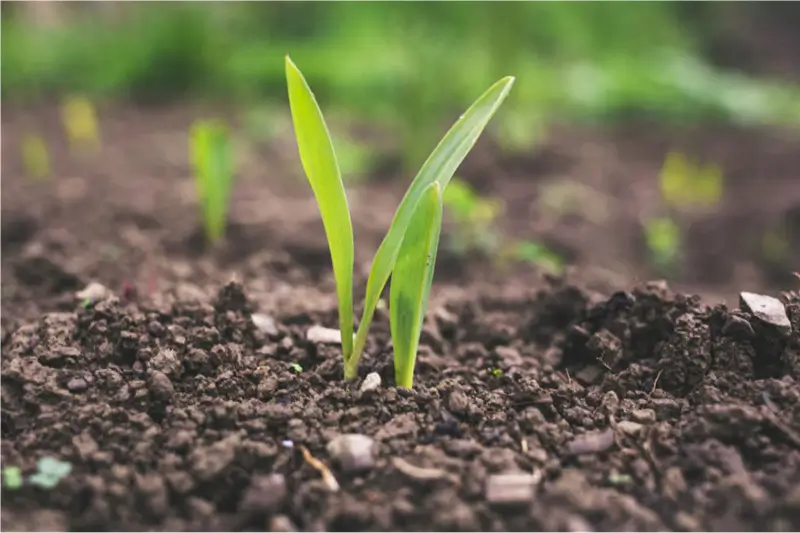
- How it works: PSI helps to improve soil structure, enhance water retention, and prevent soil erosion, making it particularly useful in sustainable farming practices.
- Agronomic Benefits: Its use can lead to better crop yields, especially in dry areas, and reduces the need for excessive irrigation.
3. Personal Care and Cosmetics
In personal care products, Polysuccinimide serves as a thickening agent, film-forming agent, and hydrating agent. It is used in various formulations, such as shampoos, conditioners, lotions, and creams, where its water-binding properties help moisturize and protect the skin.
- How it works: PSI acts as a humectant, attracting and retaining water molecules in the skin or hair, which helps maintain moisture levels and improves skin elasticity.
- Eco-Friendly: Being biodegradable, it is a safer and more sustainable option compared to traditional petroleum-based ingredients commonly used in cosmetics.
4. Biomedical and Drug Delivery
Polysuccinimide has potential uses in biomedical applications, particularly in the field of drug delivery. Its ability to form biocompatible and biodegradable polymers makes it an ideal candidate for delivering drugs or active ingredients to targeted sites within the body.
- How it works: PSI can be used as part of a drug delivery system, where it helps to transport active agents in a controlled manner, reducing side effects and improving the efficiency of treatments.
5. Packaging Materials
With growing concerns over plastic waste, PSI is being explored as a sustainable alternative in the development of biodegradable packaging materials. It can be used in creating biodegradable films and containers that break down naturally over time, reducing the environmental impact of packaging waste.
- How it works: PSI-based packaging is biodegradable and compostable, making it a potential eco-friendly alternative to traditional plastic packaging.
Advantages of Polysuccinimide (PSI)
- Eco-Friendly: Being biodegradable and derived from renewable resources, PSI offers a sustainable alternative to synthetic polymers, which are often non-biodegradable and contribute to plastic pollution.
- Non-Toxic: Polysuccinimide is non-toxic, making it safe for use in sensitive applications such as personal care products and food-related applications.
- Versatile: Its water-solubility, biodegradability, and film-forming properties make PSI an ideal candidate for a wide range of industrial and commercial applications, from water treatment to cosmetics.
- Renewable Sourcing: PSI can be produced from bio-based feedstocks, reducing reliance on fossil fuels and promoting sustainable production practices.
Conclusion
Polysuccinimide (PSI) is an innovative and sustainable polymer that is revolutionizing multiple industries. With its ability to be biodegradable, non-toxic, and derived from renewable resources, PSI offers a greener alternative to conventional materials. Its diverse applications in water treatment, agriculture, personal care, biomedical fields, and packaging make it a versatile and eco-friendly solution for addressing some of the world’s most pressing environmental challenges.
As industries continue to focus on sustainability, Polysuccinimide is poised to play an even more significant role in creating eco-friendly products and processes that benefit both businesses and the planet.