
Call to ask any question
+86 19591574998
WIT INDUSTRIES Services
Thermoplastic Polyester Elastomer (TPEE)
What Is Thermoplastic Polyester Elastomer (TPEE)?
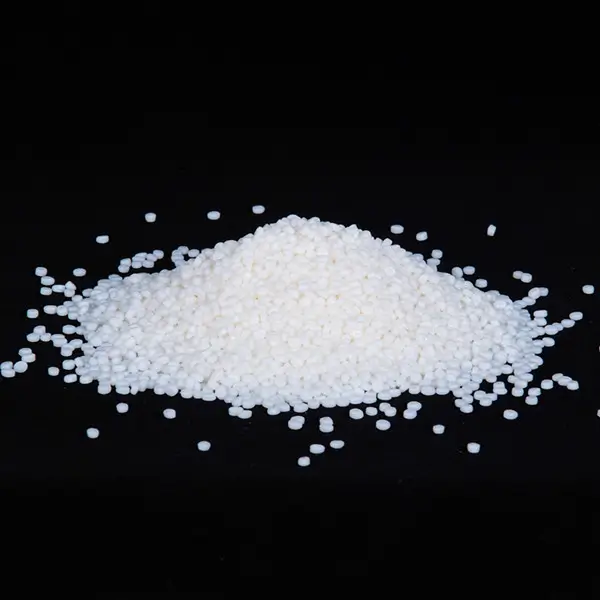
Thermoplastic Polyester Elastomer (TPEE) is a high-performance engineering elastomer that combines the flexibility of rubber with the mechanical strength and chemical resistance of engineering plastics. TPEE is a block copolymer composed of crystalline polyester “hard segments” and amorphous “soft segments”, offering excellent toughness and durability over a wide temperature range.
Thermoplastic Polyester Elastomer (TPEE), also known as polyester rubber, is a block copolymer composed of hard (crystalline) segments of polybutylene terephthalate (PBT) and soft (amorphous) segments of aliphatic polyester or polyether. Compared to traditional engineering plastics, TPEE provides similar high strength with superior flexibility and dynamic mechanical performance.
TPEE offers excellent resistance to chemicals, oils, and solvents, along with outstanding weatherability across a broad temperature range from -70°C to 200°C. It features high tear strength, abrasion resistance, superior electrical properties, and excellent load-bearing capability. At elevated temperatures (e.g., 180°C), its aging resistance outperforms that of TPU, TPR, and TPE. TPEE also blends well with materials such as ABS, PC, and PVC.
Key Properties of TPEE (Thermoplastic Polyester Elastomer)
Excellent Flex Fatigue and Creep Resistance
Thermoplastic Polyester Elastomer (TPEE) exhibits outstanding resistance to repeated bending, flexing, and mechanical fatigue, making it ideal for dynamic applications such as bellows, CVJ boots, cable carriers, and conveyor belts. Unlike many other elastomers, TPEE maintains its shape and mechanical strength under long-term cyclic stress and high mechanical loads, minimizing deformation over time (creep).
Broad Operating Temperature Range: -40°C to 150°C
TThermoplastic Polyester Elastomer (TPEE) performs reliably across extreme temperatures—from as low as -40°C to as high as 150°C (and even up to 200°C in some grades for short durations). This thermal stability makes it suitable for under-the-hood automotive components, industrial machinery, and outdoor applications where fluctuating temperatures are common.
High Impact Resistance and Tear Strength
With its unique block copolymer structure, TPEE combines the toughness of engineering plastics with the elasticity of rubber. It resists tearing even under stress or puncture and offers superior impact absorption, which makes it highly desirable for products that require mechanical durability, such as tool housings, cable jacketing, and sports equipment.
Resistance to Oil, Chemicals, and Solvents
Thermoplastic Polyester Elastomer (TPEE) provides strong resistance against oils, greases, fuels, and a wide variety of chemicals including alcohols, esters, and cleaning agents. This makes it ideal for use in automotive fuel systems, industrial hoses, gaskets, seals, and components that come into contact with aggressive fluids or harsh environments.
Excellent Electrical Insulation
Its low dielectric constant and stable insulating performance over time make TPEE suitable for wire and cable insulation, electronic connectors, plugs, and housings. It resists electrical breakdown even in moist or high-temperature conditions, offering reliable performance in both consumer electronics and industrial control systems.
Versatile Processing: Injection Molding, Extrusion, Blow Molding
Thermoplastic Polyester Elastomer (TPEE) is highly processable using standard thermoplastic equipment. It can be injection molded into precision parts, extruded into continuous profiles and tubing, or blow molded for hollow or flexible components. Its excellent flow properties, dimensional stability, and compatibility with overmolding and multi-material systems allow high efficiency in mass production.
Industry Applications of TPEE (Thermoplastic Polyester Elastomer)
Thermoplastic Polyester Elastomer (TPEE) is a versatile high-performance elastomer used across multiple industries for both structural and flexible applications. Its unique combination of strength, elasticity, temperature resistance, and chemical durability makes it a preferred choice for automotive, electrical, industrial, consumer, and textile markets.
Automotive Industry
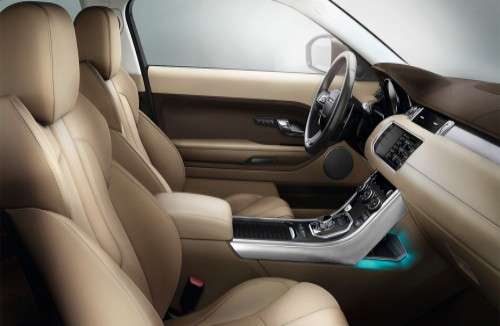
Thermoplastic Polyester Elastomer (TPEE) is widely adopted in the automotive sector thanks to its excellent fatigue resistance, oil/chemical tolerance, and high-temperature performance. It helps manufacturers reduce weight, enhance durability, and improve part longevity.
Typical applications include:
- CVJ boots (Constant Velocity Joint boots)
- Air ducts & automotive bellows
- Seals and gaskets
- Fuel and oil system components
- Suspension tubes and shock absorption parts
- Body plugs and interior trim pieces
- Flexible couplings and low-noise gears
- Rotomolded tires and vibration dampers
Thermoplastic Polyester Elastomer (TPEE) ensures long-term performance under high mechanical and thermal stress, making it ideal for demanding automotive environments.
Electrical & Electronics
With excellent dielectric strength, chemical resistance, and long-term flexibility, TPEE is well-suited for electronic protection and insulation applications.
Common uses:
- Wire and cable jacketing
- Cable ducts and strain reliefs
- Connectors and plug housings
- Sensor covers and insulation barriers
Its ability to maintain insulation integrity under bending, heat, and humidity is critical for modern electronics and power systems.
Industrial & Mechanical Components
Thermoplastic Polyester Elastomer (TPEE) plays a key role in various industrial systems requiring wear resistance, flexibility, and fatigue endurance.
Widely used in:
- Conveyor belts and guide rollers
- Tubing and flexible hoses (hydraulic, pneumatic)
- Gears and low-noise gear wheels
- Bushings and dampers
- Flexible couplings
- Railway pads and buffers
These applications benefit from TPEE’s ability to absorb mechanical stress while maintaining dimensional stability.
Consumer Products & Appliances
Thermoplastic Polyester Elastomer (TPEE) enhances product comfort, safety, and durability in consumer-facing goods.
Applications include:
- Toothbrush handles and ergonomic grips
- Power tool casings and vibration dampers
- High-durability smartphone cases
- Home appliance components
- Rotating wheels and soft-touch surfaces
Its soft yet durable texture makes it suitable for both rigid and flexible parts that require a pleasant user interface.
Footwear & Textile Industry
Thermoplastic Polyester Elastomer (TPEE) offers elasticity, resilience, and chemical resistance for both functional and aesthetic elements in fashion and performance wear.
Main applications:
- High-performance shoe soles (outsoles/midsoles)
- Elastic fibers for textiles (alternative to spandex)
- Uppers for athletic shoes
- Sports equipment and accessories
- Compression garments and stretch fabrics
TPEE’s excellent rebound and fatigue resistance allow for long-lasting, flexible wearables that retain their shape and elasticity over time.
Other Specialized Applications
TPEE also finds growing use in specialized or custom-engineered applications such as:
- Rotomolded components
- Flexible mechanical parts
- Elastic mesh and netting materials
- Custom extruded profiles for OEMs
Its adaptability to injection molding, extrusion, blow molding, and rotomolding allows manufacturers across sectors to tailor material properties to specific functional needs.




Other Similars
Serving B2B Buyers Worldwide
We specialize in bulk supply and global export of TPEE resins and granules, tailored to the needs of:
- Importers & Distributors
- OEM Factories & Product Manufacturers
- Plastic processors & molders
- Automotive parts suppliers
- Wire and cable manufacturers
- Footwear and textile factories
Packaging Options: 25 kg bags or jumbo bags
Export Regions: Southeast Asia, Middle East, Eastern Europe, Latin America, Africa
FAQ
Q1: What’s the difference between TPEE and TPU?
TPEE offers better flex fatigue resistance, higher temperature tolerance, and chemical resistance compared to TPU. It’s often preferred in automotive and industrial applications.
Q2: Can TPEE be used in 3D printing?
While not as common as other materials, certain TPEE formulations can be used in advanced 3D printing for flexible components.
Q3: Do you offer flame-retardant grades of TPEE?
Yes, we provide both standard and flame-retardant TPEE grades (UL94 HB, V-2 options available).
Request a Quote or Sample
Ready to start your TPEE sourcing?
Contact us now to get:
- ✔ Full product specifications
- ✔ COA / MSDS documentation
- ✔ Competitive FOB/CIF pricing
- ✔ Fast sample shipping for testing
Contact us
Let us take care of your new project
Everyday from
8:00 – 6:00
call to ask a question
+86 19591574998
Get in Touch
Right Now