Applications of Sodium Glucoheptonate in Industrial Cleaning
In the world of industrial cleaning, Sodium Glucoheptonate has become a game-changer due to its unique properties and eco-friendly nature. As industries strive to reduce the environmental impact of their operations, this natural compound, derived from glucose, is offering an effective and sustainable alternative to traditional cleaning agents. Sodium Glucoheptonate stands out not only for its cleaning capabilities but also for its biodegradability, low toxicity, and ability to tackle complex cleaning challenges.
In this article, we’ll explore the applications of Sodium Glucoheptonate in industrial cleaning, highlighting its advantages over conventional cleaners and its growing importance in eco-conscious industrial operations.
What is Sodium Glucoheptonate?
Sodium Glucoheptonate is a water-soluble salt of glucoheptonic acid, which is derived from glucose, a natural sugar. It is part of the heptonic acid family and acts as a chelating agent. The primary function of Sodium Glucoheptonate is to bind with metal ions, effectively removing them from surfaces and preventing the formation of scale and corrosion. This makes it a highly effective cleaning agent for a range of industrial applications.
What makes Sodium Glucoheptonate especially attractive is its environmental profile. It is biodegradable, non-toxic, and does not contribute to harmful emissions or residues, making it a safer alternative to many conventional chemical cleaners.
Key Benefits of Sodium Glucoheptonate in Industrial Cleaning
1. Effective Metal Chelation
Sodium Glucoheptonate’s primary action is its ability to chelate metal ions, particularly calcium, magnesium, iron, and other divalent cations that often contribute to hard water scale or cause corrosion in industrial systems. This property makes it invaluable for a wide range of industrial cleaning processes.
- How it works: The chelating action of Sodium Glucoheptonate binds metal ions, preventing them from adhering to surfaces and forming scale or rust. This makes it ideal for cleaning and maintaining equipment in industries like boiler cleaning, heat exchangers, and water treatment plants.
2. Biodegradable and Non-Toxic
One of the major advantages of Sodium Glucoheptonate is its biodegradability and low toxicity, making it much safer for both the environment and workers compared to traditional industrial cleaning agents. Many industrial cleaners contain harsh chemicals, such as phosphates, chlorine, or solvents, that can be harmful to ecosystems and human health. Sodium Glucoheptonate, however, breaks down naturally and does not persist in the environment.
- How it works: Being derived from glucose, it is naturally degradable, reducing the environmental impact when used in industrial cleaning applications. It also poses little risk to workers who may come into contact with it.
3. Scale and Corrosion Inhibition
Sodium Glucoheptonate excels in preventing the buildup of scale and corrosion on industrial equipment. This is particularly important in systems that use water, such as boilers, cooling towers, and pipes, where scale can reduce efficiency and lead to costly repairs. It helps to soften hard water, reducing the formation of lime scale and other mineral deposits.
- How it works: By binding to metal ions, Sodium Glucoheptonate prevents them from forming scale deposits on the surfaces of pipes, heat exchangers, and other industrial equipment. This ensures better heat transfer efficiency, reduces maintenance costs, and prolongs the lifespan of machinery.
4. Effective in Diverse Applications
Sodium Glucoheptonate’s versatility makes it suitable for use in a wide range of industrial cleaning tasks. It can be used as part of cleaning formulations in industries such as oil and gas, food and beverage, automotive, pharmaceutical, and metalworking. Its ability to clean, chelate metals, and prevent corrosion makes it a highly adaptable ingredient in various industrial cleaning processes.
- How it works: In the oil and gas industry, for example, Sodium Glucoheptonate can be used to clean oil pipes and refining equipment, while in food and beverage processing, it helps remove mineral deposits and prevent scaling in equipment.
Industrial Applications of Sodium Glucoheptonate
1. Cleaning of Heat Exchangers and Boilers
One of the most common applications of Sodium Glucoheptonate in industrial cleaning is in the maintenance of heat exchangers and boilers. These systems are prone to the buildup of mineral deposits due to the hardness of water used in many industrial processes. The use of Sodium Glucoheptonate in cleaning formulations effectively dissolves mineral scale, improving the heat transfer efficiency and preventing costly downtime.
- How it works: Sodium Glucoheptonate binds with the calcium and magnesium ions in scale, breaking down the deposits and preventing further buildup. This ensures the system operates efficiently, extending its lifespan and reducing energy consumption.
2. Cleaning of Water Treatment Systems
In water treatment facilities, Sodium Glucoheptonate is used to clean pipes, filters, and tanks by breaking down mineral scale and preventing the buildup of metal oxides. It can also help maintain the efficiency of water purification systems by preventing corrosion and fouling.
- How it works: By chelating metal ions in the water, Sodium Glucoheptonate reduces the accumulation of calcium, magnesium, and iron, ensuring that water treatment systems continue to function optimally without the interference of scale buildup.
3. Oil and Gas Industry
The oil and gas industry relies heavily on equipment such as pipelines, refining equipment, and separators, which are often exposed to corrosive conditions. Sodium Glucoheptonate is used to clean oil pipes and prevent corrosion and scale formation, ensuring the smooth operation of these systems.
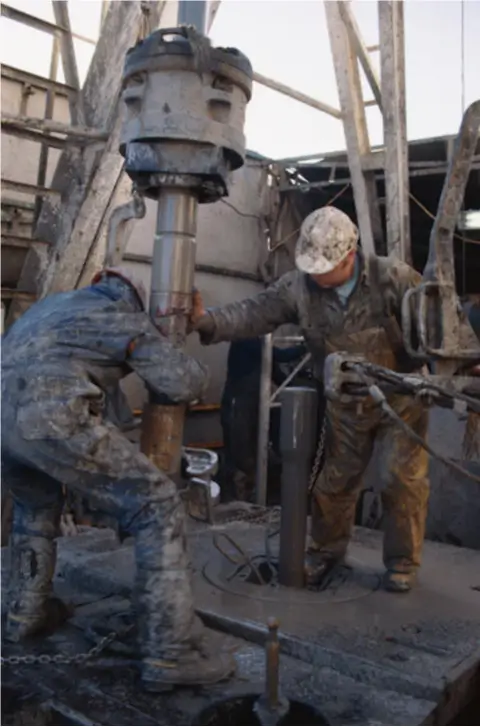
- How it works: In oil extraction and refining, Sodium Glucoheptonate is used to clean and maintain equipment, preventing rust, scale, and mineral buildup in pipelines and machinery, which can reduce efficiency and lead to operational issues.
4. Metalworking Industry
In metalworking operations, where metals such as steel, aluminum, and copper are processed, Sodium Glucoheptonate is used to prevent corrosion and scale formation on machinery. It also helps in the cleaning of cutting tools and machinery by breaking down oils, fats, and mineral deposits.
- How it works: Sodium Glucoheptonate acts as a mild yet effective cleaner for metal surfaces, preventing rust and scale buildup that could impair the functionality of equipment. It is especially useful in cooling systems and cutting fluid formulations.
5. Food and Beverage Processing
In the food and beverage industry, cleaning agents need to be highly effective at removing mineral buildup and organic residues without compromising food safety. Sodium Glucoheptonate is used to clean processing equipment, pipes, and tanks in a safe and non-toxic manner.
- How it works: Sodium Glucoheptonate is particularly useful for cleaning mineral deposits from water treatment systems in food processing, preventing scale formation in boilers, and ensuring food-grade safety in cleaning.
Conclusion
Sodium Glucoheptonate is an effective, eco-friendly, and versatile cleaning agent that has a wide range of industrial applications. From cleaning heat exchangers and boilers to maintaining water treatment systems and oil and gas equipment, its ability to chelate metal ions, prevent scale formation, and reduce corrosion makes it an invaluable tool in maintaining the efficiency and longevity of industrial machinery.
As industries continue to seek sustainable cleaning solutions, Sodium Glucoheptonate provides a natural, biodegradable alternative to harsh chemicals. By incorporating this compound into industrial cleaning routines, companies can not only enhance operational efficiency but also reduce their environmental footprint, ensuring a cleaner and more sustainable future.