Polyaspartic Acid: The Ultimate Eco-Friendly Polymer for Industrial Success
Polyaspartic acid (PASP) is rapidly gaining recognition as a biodegradable polymer with remarkable versatility and eco-friendly benefits. Due to its unique properties, PASP has found applications across various industries, from agriculture to water treatment and even construction. This innovative polymer not only offers outstanding performance but also aligns with growing environmental concerns, making it a preferred choice for industries aiming for sustainability without compromising efficiency.
In this article, we will explore the properties, benefits, and diverse industrial applications of polyaspartic acid, shedding light on why it’s increasingly considered a game-changing material for thriving businesses.

What is Polyaspartic Acid?
Polyaspartic acid (PASP) is a biodegradable polymer derived from L-aspartic acid, a naturally occurring amino acid found in many proteins. Its unique chemical structure gives it several exceptional properties, including high water solubility, thermal stability, and resistance to degradation by enzymes, acids, and bases. These features make PASP highly adaptable to numerous applications, particularly where water solubility, durability, and eco-friendliness are essential.
Due to its nature-derived origins, PASP is not only biodegradable but also non-toxic, making it an attractive alternative to many synthetic polymers that may pose environmental and health risks.
Key Properties of Polyaspartic Acid
1.High Water Solubility
One of the standout features of polyaspartic acid is its excellent water solubility. This property makes PASP highly effective in applications requiring water-based formulations such as coatings, adhesives, and water treatment processes.
2.Thermal Stability
PASP retains its chemical and physical properties even under high temperatures, making it ideal for applications involving heat exposure. This high thermal stability enhances its durability and functionality in demanding industrial environments.
3.Exceptional Mechanical Strength
Polyaspartic acid boasts impressive mechanical properties, including strong tensile strength, high impact resistance, and superior flexural strength. These qualities make it suitable for structural applications where toughness and durability are critical.
4.Biodegradability
Unlike many synthetic polymers, PASP is biodegradable. It naturally breaks down without leaving harmful residues, making it a preferred material for industries that prioritize environmental sustainability.
Diverse Applications of Polyaspartic Acid
Thanks to its unique properties, polyaspartic acid finds applications in a variety of sectors. Here are some of the key industries benefiting from this versatile polymer:
- Coatings Industry
PASP is widely used in water-based coatings due to its solubility and strong adhesion properties. It’s also applied in anti-corrosive coatings for metals and automotive surfaces, as well as protective coatings for concrete floors. In these applications, PASP enhances durability and performance while offering a greener, more sustainable option than traditional polymers. - Adhesives
The exceptional mechanical strength of PASP makes it an ideal component in adhesive products. It’s utilized in pressure-sensitive adhesives, hot melt adhesives, and structural adhesives that require durability and strong bonding. In these formulations, PASP helps improve performance while ensuring environmental safety. - Water Treatment
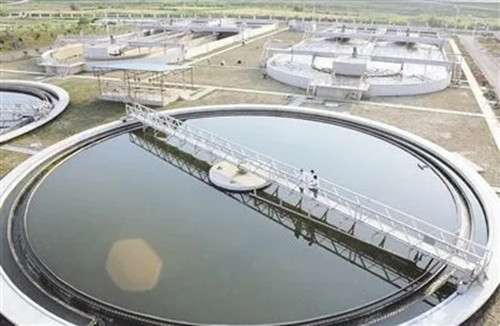
PASP serves as an efficient chelating agent, which means it binds with heavy metals, preventing them from contaminating water supplies. In wastewater treatment, PASP is particularly effective in removing harmful heavy metals, offering a sustainable and non-toxic alternative to other water treatment chemicals. - Agriculture
Polyaspartic acid is also making waves in agriculture, where it’s used to improve the efficiency of fertilizers. By enhancing nutrient uptake and reducing plant stress from abiotic factors like drought or extreme temperatures, PASP can significantly boost crop yield. Its biodegradable nature ensures it doesn’t contribute to soil pollution, making it an excellent choice for eco-friendly farming practices.

Benefits of Polyaspartic Acid
- Environmental Sustainability
One of the major advantages of polyaspartic acid is its eco-friendliness. Being fully biodegradable, it breaks down naturally in the environment without causing harm. This feature positions PASP as a sustainable alternative to traditional polymers, which often contribute to plastic pollution and other environmental issues. - Versatility Across Industries
The versatile nature of PASP allows it to be used in a wide range of applications, from agriculture and water treatment to coatings and adhesives. Its adaptability to different environments and industries makes it an indispensable material for companies looking to optimize performance without sacrificing sustainability. - Non-Toxic and Safe for Use
PASP is non-toxic and poses no risks to human health. Its safety profile makes it suitable for use in applications like water treatment and agriculture, where human and environmental health are paramount concerns. - Improved Product Performance
Whether in coatings, adhesives, or agricultural products, PASP improves product performance through its strength, durability, and resistance to degradation. It helps create products that last longer and perform better under demanding conditions, providing value to both manufacturers and end users.
Conclusion
Polyaspartic acid is an innovative and eco-friendly polymer that stands out for its remarkable versatility. With its ability to enhance product performance in sectors like coatings, adhesives, water treatment, and agriculture, PASP is becoming a key material in industries striving for sustainability. Its environmental benefits, combined with its non-toxic and biodegradable nature, make it the polymer of choice for manufacturers looking to produce high-quality, sustainable products.
As the world increasingly prioritizes green solutions, polyaspartic acid offers industries a way to thrive while minimizing their environmental footprint. With its wide range of applications and exceptional properties, PASP is poised to play a significant role in the future of sustainable industrial materials.