

Call to ask any question
+86 19591574998
WIT INDUSTRIES Services
POLY-L-GLUTAMIC ACID
Product Description
What’s the Polyglutamic Acid(γ-PGA)
Agricultural Grade Polyglutamic Acid (PGA) is a versatile, natural, and eco-friendly biopolymer that is rapidly gaining popularity in modern agricultural practices. Extracted through a fermentation process from plant-based sources, PGA is used to improve soil health, enhance crop growth, and boost water retention in agricultural systems.
As a biodegradable and non-toxic substance, Agricultural Grade Polyglutamic Acid (PGA) offers a range of benefits for farmers, growers, and agricultural businesses. It is particularly effective in increasing nutrient uptake, improving soil structure, and promoting sustainable agriculture practices.
γ-PGA 3.5%(Agricultural Grade)
γ-PGA 7.5%(Agricultural Grade)
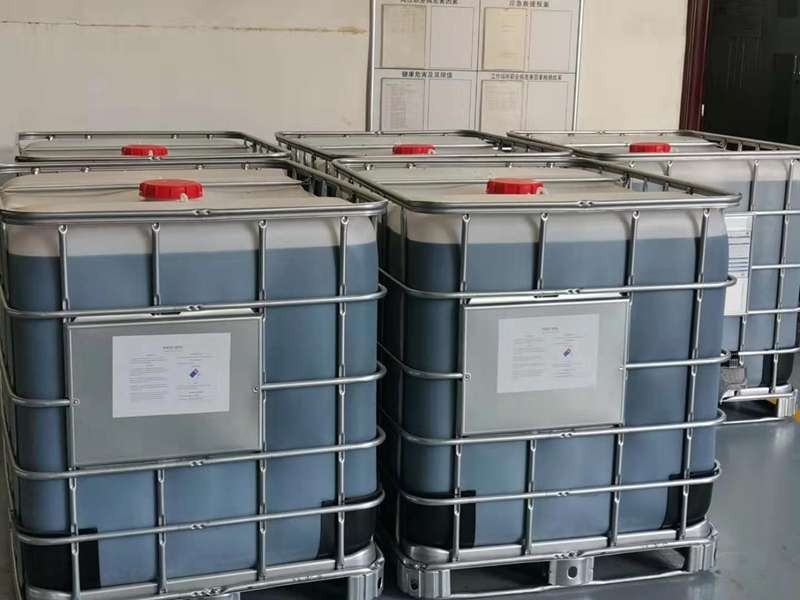
Bulk Packing: 25kg/drum or 1000 kg/IBC; 16 Tons per 20 GP’ Container
Main Functions:
1. Soil Health Improvement Polyglutamic Acid is a powerful soil conditioner that enhances soil structure and fertility:
- Soil Moisture Retention: PGA helps the soil retain water more effectively, reducing the need for frequent irrigation. This is especially beneficial in regions with limited water resources or during periods of drought.
- Soil Erosion Prevention: By improving the cohesion between soil particles, PGA helps prevent soil erosion and supports healthy soil in areas prone to degradation.
- Improved Soil Fertility: Polyglutamic Acid works as a chelator, improving nutrient availability and enhancing the bioavailability of essential minerals like potassium, calcium, and magnesium.
2. Boosting Crop Yield Agricultural Grade Polyglutamic Acid is an excellent crop growth promoter, offering multiple benefits for farmers:
- Nutrient Absorption: PGA enhances the uptake of nutrients, particularly in crops with limited root development or those grown in less fertile soil.
- Stimulates Plant Growth: The increased water retention and nutrient uptake support robust crop growth, increasing both quality and quantity of yields.
- Stress Resilience: Polyglutamic Acid helps crops become more resilient to environmental stresses such as heat, drought, and nutrient deficiencies.
3. Organic Farming As an environmentally safe and biodegradable option, Polyglutamic Acid is widely used in organic farming to enhance soil and plant health without relying on synthetic chemicals:
- Natural Fertilizer Additive: PGA can be added to organic fertilizers to increase their effectiveness by improving the release of nutrients into the soil.
- Non-Toxic and Eco-Friendly: Ideal for organic farming, Agricultural Grade Polyglutamic Acid is safe for use in sustainable agricultural practices.
Applicable Crops:
Soybeans/rice/wheat/corn/fruits and vegetables/cash crops,etc.
Application Suggestions(7.5% Liquid):
| Fertilizer Efficiency | Can be added to microbial inoculants, compound fertilizers, water-soluble fertilizers and foliar fertilizers, and the pure addition amount is one thousandth to three thousandths. |
| Foliar Spray | Spray 30ml of liquid on the leaves mixed with 15kg of water and spray directly. Spray 3-5 times according to crop growth cycle. |
| Seed Dressing | Polyglutamic acid can reduce the side effects of seed dressing agents and improve the seedling emergence rate. The recommended dosage is 20-50ml/acre. |
γ-PGA 20%(Agricultural Grade)
γ-PGA 25%(Agricultural Grade)
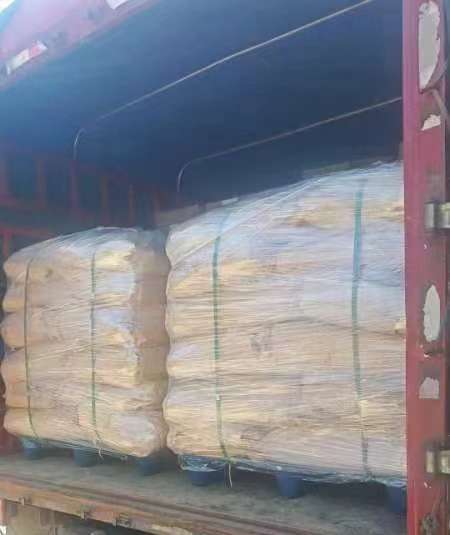
Bulk Packing: 25 kg/Bag or drum and 750kg/pallet; 15 Tons Per 20 GP’ Container
Main Functions:
- Polyglutamic acid can improve the soil and regulate the microbial flora in the soil: Promote the rapid reproduction of probiotics.
- PGA can effectively balance the pH value of soil, adjust both acidity and alkali, promote the formation of soil aggregate structure, retain water and fertilizer, enhance plant resistance, and significantly improve crop yield and quality.
- Polyglutamic acid can effectively reduce the amount of chemical fertilizers. It has good biocontrol effect on common fusarium wilt, root rot, fruit rot and virus diseases in cotton, tomatoes, peppers, cucumbers and other crops.
- Polyglutamic acid has a certain preventive effect on late spring cold.
Applicable Crops:
soybeans/rice/wheat/corn/fruits and vegetables/economic crops,etc.
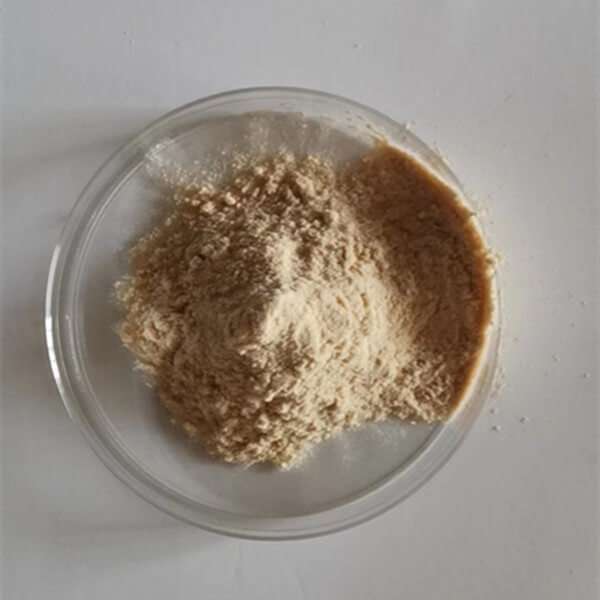
Application Suggestions(25% Powder):
| Fertilizer Efficiency | It can be added to compound fertilizers and water-soluble fertilizers, and the pure addition amount can be reduced from one thousandth to three thousandths. |
| Foliar Spray | Mix 3g of powder with 15kg of water and spray directly. Spray 3-5 times according to the crop growth cycle. |
| Seed Dressing | The recommended dosage is 2-5g/acre. |
Product Properties
- Biodegradable friendly: Polyglutamic acid Completely degraded in the natural environment
- Water Retention: Polyglutamic acid moleculars contain more than 1,000 super hydrophilic groups,and the moisturizing and water-locking effect is 500 times that of hyaluronic acid.
- Compatibility: Polyglutamic acid contains a large number of amide bonds and free carboxyl groups,and its unique molecular structure gives it good biocompatibility. It can be used in combination with various fertilizers and biostimulants.
- Molecular Weight: Polyglutamic acid molecular weight ranges from 50,000 to 2,000,000 Daltons.
- Safety: Non-toxic,harmless and friendly to human body and environment

Main Applications
The Applications of Polyglutamic Acid(γ-PGA) agricultural field
1. Promote the absorption of phosphate fertilizers and medium and trace elements, retain water and fertilizers
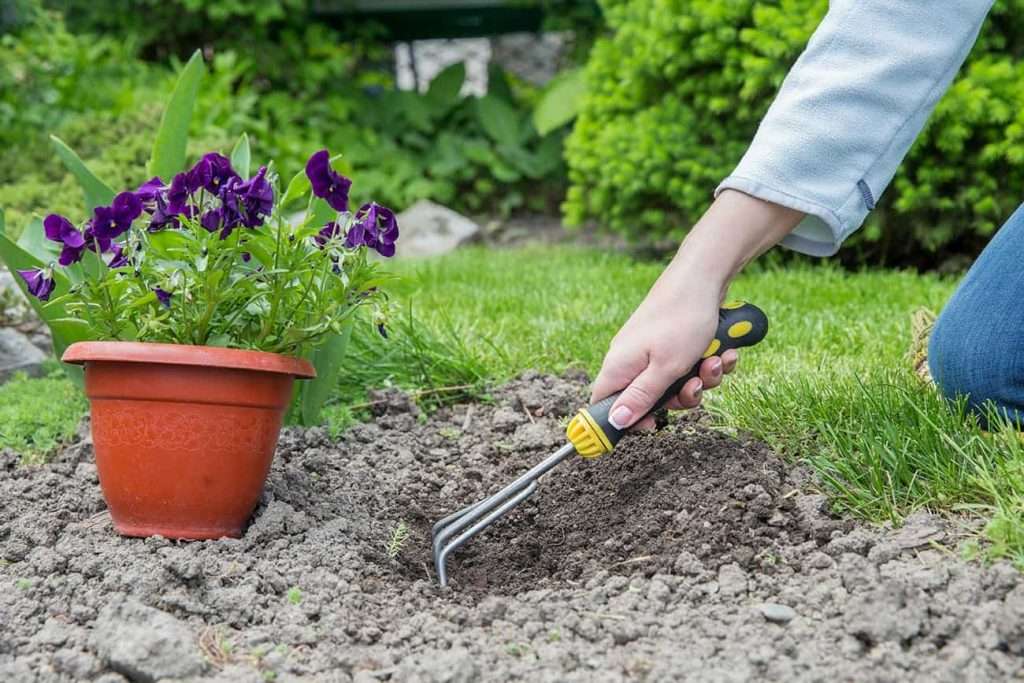
The hydrophilic group – carboxyl group in the polyglutamic acid molecule can maintain soil moisture content, improve soil bulking and porosity, improve sandy soil, and promote the soil’s fertilizer and water retention capacity. When submerged in the soil, a thin film will be formed on the surface of the plant root hairs. It not only protects the root hairs, but also serves as the best transport platform for water and nutrients in the soil to come into close contact with the root hairs. It can effectively improve the dissolution of fertilizers. , storage, transportation and absorption. Prevents the precipitation of sulfate, phosphate, oxalate and metal elements, allowing crops to more effectively absorb phosphorus, calcium, magnesium and trace elements in the soil. Promote the development of crop root systems and enhance disease resistance.
2. Take root and strengthen seedlings
Polyglutamic acid can promote the development of crop root systems, stimulate the growth of root hairs and root systems, and improve the absorption of nutrients by crops. Polyglutamic acid can form a thin film on the surface of root hairs, creating a good water and fertilizer environment for the roots, speeding up nutrient absorption, and making the aboveground parts
of the plant stronger.
3. Improve crop stress resistance
Polyglutamic acid can bind to root cell membrane surface receptor proteins, activate the stress resistance switch through signal transduction, and increase the proline content and osmotic pressure regulation ability of crop cells, which can effectively ensure the protection under drought, waterlogging, low temperature and other stress conditions.The normal absorption of water and nutrients buffers the losses to crop roots caused by drought, waterlogging, cold and other harsh factors.
4. Improve Soil
Polyglutamic acid has good buffering ability against acids and alkalis and can balance soil pH. Polyglutamic acid molecules contain a large number of hydrogen bonds, which can maintain moisture in the soil, improve the porosity and bulkiness of the soil, and enhance the water retention capacity of the soil. Polyglutamic acid can slowly degrade into glutamic acid monomer in natural environment, which can be absorbed and utilized by plants and is environmentally friendly.
5. Integrate soil heavy metals
Polyglutamic acid has a good integration effect on heavy metals in soil such as chromium, aluminum, lead, and cadmium, which can effectively prevent crops from absorbing toxic heavy metals from the soil and affect crop safety and food safety.
6. Other Applications
- γ-polyglutamic acid (γ-PGA) Promote production increase
- γ-PGA acid can enhance plant resistance to disease and adversity
- γ-polyglutamic acid (γ-PGA) has an excellent chelating effect on toxic heavy metals such as Pb+2, Cu+2, Cd+2, Cr+3, Al+3, As+4, etc.
- γ-polyglutamic acid (γ-PGA) acid has excellent buffering capacity for acid and alkali, which can effectively balance the pH value of the soil and avoid the acidic soil
- γ-polyglutamic acid (γ-PGA) can effectively improve the dissolution of fertilizers, storage, delivery, and absorption, promote the development of crop root systems, and enhance disease resistance.
Other Similar
Related Products For Supplement plant trace elements
Polyaspartic Acid Sodium Salt(PASP-Na,K,Ca,Zn)
Iminodisuccinate Acid Sodium Salt (IDS-na,cu,fe)
Contact us
Let us take care of your new project
Everyday from
8:00 – 6:00
call to ask a question
+86 19591574998
Get in Touch
Right Now