


Call to ask any question
+86 19591574998
WIT INDUSTRIES Services
Polyhydroxyalkanoate (PHA)
Product Description
Transforming Agriculture with Polyhydroxyalkanoates (PHA)-Based Biopolymers
Polyhydroxyalkanoates (PHA) is a class of naturally occurring microbial storage polyesters synthesized by Knallgas-type bacterial strains under unbalanced nutrient conditions. As a fully bio-based and biodegradable material, PHA not only represents a circular economy-friendly alternative to synthetic polymers but also plays a biological activation role in soil ecosystems.
In the rapidly evolving agricultural landscape, the demand for sustainable, efficient, and eco-friendly materials has never been higher. Polyhydroxyalkanoates (PHA)—a family of biodegradable polymers produced via microbial fermentation—are gaining widespread attention for their unique ability to meet both environmental and performance demands.
Whether you are an agricultural input manufacturer, fertilizer blender, formulator, or regional distributor, PHA represents an innovative and high-value opportunity for your product line.
This page explores three core applications of PHA in agriculture:
- Controlled-release fertilizer carriers
- Seed coating materials
- Biopesticide delivery systems
Polyhydroxyalkanoates (PHA) (Agricultural Grade) 100g,200g/L
Polyhydroxyalkanoates (PHA) (Agricultural Grade) 60%
| Product | Form | Packaging | Organic Content | Molecular Weight |
|---|---|---|---|---|
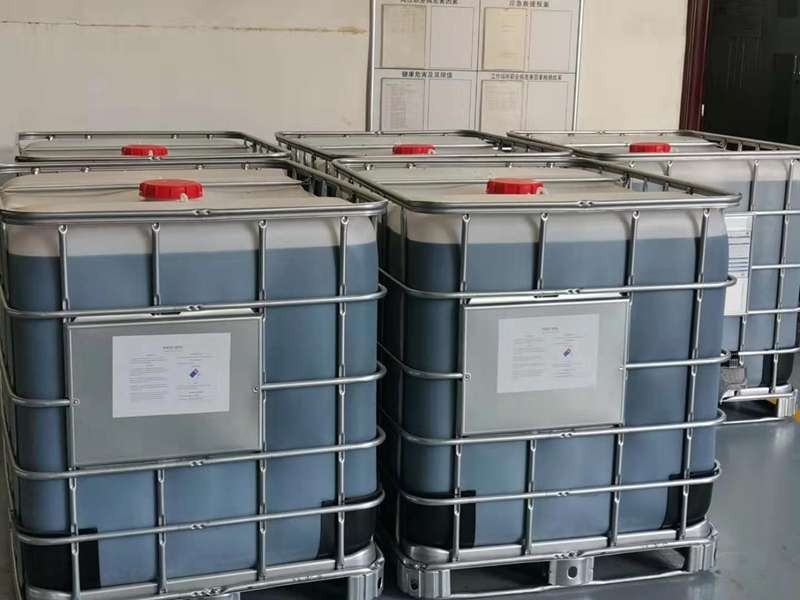
| MultiPHA 150 | Liquid | IBC tank / Tanker | ≥100 g/L | 500–1500 kDa |
| MultiPHA 300 | Liquid | IBC tank / Tanker | ≥200 g/L | 500–1500 kDa |
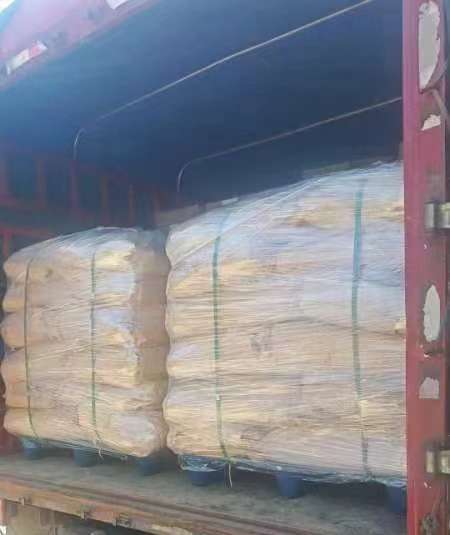
| MultiPHA 800 Powder | Solid Powder | 20kg/bag or 1T Jumbo Bag | ≥60% | 1000–1500 kDa |
🌱 Core Agronomic Functions of Polyhydroxyalkanoates (PHA)
Unlike conventional organic fertilizers that passively provide nutrients, Polyhydroxyalkanoates (PHA) actively engages with the rhizosphere micro-ecology, influencing microbial gene expression, plant-microbe interaction, and root zone resilience.
Core Differentiators Compared to Traditional Organic Inputs:
- Stronger affinity with crop root systems and beneficial soil microbes
- Biocompatibility with microbial inoculants (PGPR, fungi, etc.)
- High molecular energy density and slow-release biodegradability
- Enhanced soil health, biological buffering, and stress mitigation effect
1. 🧬 Activation of Beneficial Rhizosphere Microbes
Polyhydroxyalkanoates (PHA) selectively promotes the proliferation of probiotic strains like Bacillus subtilis, Bacillus velezensis, Bacillus amyloliquefaciens, and Trichoderma spp.
- Up to 4.8× increase in microbial growth rate (per in vitro studies)
- Boosts gene expression of enzymes related to nutrient cycling, pathogen resistance, and biofilm formation
- Indirect suppression of soil pathogens by competitive exclusion
2. ⚡ High-Density Energy for Microbial Survival
- Acts as a “biological battery” for soil microbes during nutrient-deficient periods
- Enables sustained microbial colonization under drought, salinity, or low CEC conditions
- PHA is metabolized by soil microbes into acetic acid, propionic acid, and eventually CO₂, powering cell metabolism
3. ❌ Pathogen & Virus Inhibition
- By reshaping the soil microbial ecology, PHA helps suppress soil-borne diseases such as Fusarium oxysporum, Pythium, and Rhizoctonia
- No direct antibiotic activity, thus avoiding resistance issues
4. 🍅 Crop Flavor Restoration & Quality Enhancement
- Enhances aromatic compound accumulation (alcohols, esters, organic acids)
- Improves plant metabolic efficiency, reducing energy waste during nutrient uptake
- Promotes synthesis of secondary metabolites linked to flavor and shelf life
5. 🌾 Abiotic Stress Resistance & Soil Resilience
- Enhances plant tolerance to saline-alkali soils, pH extremes, and temperature/humidity fluctuations
- Repairs degraded soils by restoring microbial community balance
- Supports long-term soil organic matter buildup and carbon sequestration
Main Applications
The Applications of Polyhydroxyalkanoates (PHA) In agricultural field
1. Controlled-Release Fertilizer Encapsulation Using PHA
What It Is
Polyhydroxyalkanoates (PHA) can be engineered into microcapsules, microspheres, or film coatings to encapsulate nitrogen, phosphorus, potassium (NPK), or micronutrients, creating a smart delivery system for slow nutrient release.
Key Benefits for Fertilizer Manufacturers & Distributors
- ✅ Adjustable Release Profiles
Control nutrient release timing by adjusting polymer molecular weight, crystallinity, or wall thickness. Release duration can be designed from days to several months. - ✅ Reduced Nutrient Loss
Encapsulation minimizes leaching and volatilization, especially for nitrogen-based fertilizers. This ensures more nutrients reach the plant root zone. - ✅ Lower Environmental Impact
Unlike petroleum-based coatings, PHA degrades into CO₂ and H₂O, leaving no toxic residue behind. This helps meet environmental regulations on fertilizer runoff. - ✅ Regulatory Compliance
Polyhydroxyalkanoates (PHA) aligns with eco-labels and carbon footprint requirements. Ideal for B2B clients seeking compliance with EU REACH, USDA BioPreferred, or China’s green agricultural standards. - ✅ Improved ROI for End-Users
By delivering nutrients more efficiently, farmers can reduce application frequency and total fertilizer use—benefits that resonate strongly with end customers.
2. Seed Coating Material with PHA: Boost Germination and Early Growth
What It Is
Polyhydroxyalkanoates (PHA) can be used as a natural, biodegradable seed coating polymer, either alone or blended with additives (such as minerals, growth regulators, or fungicides) to promote robust seed germination and early plant development.
Key Benefits for Seed Processors and Input Formulators
- ✅ Controlled Moisture Penetration
PHA coatings regulate water absorption, protecting seeds from premature swelling or dehydration. This improves germination uniformity in field conditions. - ✅ Root-Friendly Biodegradation
After germination, the PHA matrix degrades naturally without interfering with the root zone or releasing harmful by-products. Unlike synthetic polymers, no soil contamination or microplastic risk. - ✅ Carrier for Micronutrients or Biostimulants
Polyhydroxyalkanoates (PHA) can carry trace elements like zinc, manganese, boron—or biostimulants such as amino acids and humic acid—directly to the rhizosphere. - ✅ Safe for Organic and Regenerative Agriculture
With microbial origin and non-toxic degradation, PHA coatings are suitable for certified organic applications. - ✅ Customizable Solutions
Coating thickness, elasticity, and nutrient load capacity can be tailored to different crop types—rice, corn, soybean, vegetable seeds, and more.
3. Biopesticide Carriers: Natural Delivery System for Sustainable Crop Protection
What It Is
Polyhydroxyalkanoates (PHA) microparticles or films serve as encapsulation systems for biological pesticides, including microbial agents, plant-derived actives, and even RNAi-based formulations.
Key Benefits for Biopesticide Manufacturers & Agrochemical Exporters
- ✅ Controlled Release & Protection
PHA matrices shield sensitive biopesticide actives (e.g. Bacillus thuringiensis, neem oil, fungal spores) from UV, pH, and microbial degradation, extending shelf-life and field efficacy. - ✅ Biodegradable & Non-Disruptive
Unlike synthetic carriers that accumulate in soil, PHA biodegrades completely into harmless products. No interference with soil microflora or fertility. - ✅ Versatile Formulation Compatibility
PHA particles can be engineered for liquid suspensions, dry granules, or foliar spray concentrates, expanding formulation options for agrochemical companies. - ✅ Environmentally Aligned
Appeals to buyers looking for low-residue, eco-friendly crop protection solutions in regions with growing pesticide residue concerns (EU, Japan, North America).

✅ Suitable for:
- Compound fertilizer granulation (urea, DAP, NPK)
- Organic & organo-mineral liquid fertilizers
- Microbial inoculants and biostimulants
- Soil amendment premixes
📌 Recommended Dosage:
| Product Type | Dosage Range |
|---|---|
| Liquid Formulations | 10–300 kg/ton |
| Granular Fertilizers | 3–50 kg/ton |
| Powder Applications | 3–10 kg/ton |
Tips:
- Ensure uniform mixing for solid products
- May reduce or eliminate need for anti-caking agents
- Compatible with most fermentation bacteria
🔬 Mechanism of Action: Microbial Energy Modulation
Polyhydroxyalkanoates (PHA) acts as a time-release carbon and energy source:
- Recognized and assimilated by beneficial soil microbes
- Enhances ATP production and enzyme secretion
- Stimulates gene pathways responsible for nitrogen fixation, phosphorus solubilization, siderophore production, and biocontrol traits
This targeted stimulation allows PHA to function as a microbial performance enhancer, rather than a simple carbon source.
🌾 Field Trial Insights
Site: Saline field trial, Yancheng, Xinjiang
Crop: Melon (Citrullus lanatus var. lanatus)
Key Observations:
Reduced soil salinity by 15% over 60 days
+22.3% increase in emergence rate
+31.5% improvement in seedling vigor index
Better than traditional compound fertilizers and leading biostimulant additives
Other Similar
Related Products For Supplement plant trace elements
Polyaspartic Acid Sodium Salt(PASP-Na,K,Ca,Zn) for Fertilizer Synergy
Sodium Polyglutamate for Soil Conditioning
Who Should Contact Us?
We welcome inquiries from:
- Agricultural importers seeking advanced bio-based materials
- Formulators and fertilizer producers upgrading to controlled-release systems
- Seed treatment companies developing high-performance, eco-friendly coatings
- Biopesticide manufacturers looking for sustainable encapsulation carriers
- Traders and wholesalers supplying value-added agro-inputs to regional markets
Why Choose Our PHA-Based Agricultural Solutions
✅ Reliable Supply Chain
As a direct manufacturer, we offer stable and scalable production capacity, full quality traceability, and consistent lead times.
✅ Customization Options
We support formulation partnerships with custom molecular weight, copolymer composition (e.g. PHB, PHBV, P(3HB-co-4HB)), and encapsulation performance.
✅ Documentation and Compliance
We provide full technical dossiers, COAs, MSDS, and biodegradation testing reports for regulatory registration or client approval.
✅ Global Logistics Experience
Our products are shipped globally to major B2B customers in Europe, North America, Latin America, and Southeast Asia, with support for CIF/DDP terms.
Request a Quote or Technical Datasheet
Whether you’re sourcing for formulation trials, OEM development, or large-volume distribution, we’re ready to collaborate. Contact us today for:
- Free technical consultation
- Sample provision
- MOQ, lead time, and CIF pricing
Contact us
Let us take care of your new project
Everyday from
8:00 – 6:00
call to ask a question
+86 19591574998
Get in Touch
Right Now