Polyaspartic Acid(pASP) Enhances Mineral Absorption and Transport in Tomato Seedlings Under Copper and Cadmium Stress
In modern agriculture, the importance of crop resilience against environmental stressors cannot be overstated. Among the most harmful stressors are heavy metals such as copper (Cu) and cadmium (Cd), which can have detrimental effects on plant growth, productivity, and overall health. This is especially true for crops like tomatoes, which are highly sensitive to toxic metal concentrations. However, recent advances in the use of polyaspartic acid (PASP) have shown promising potential in mitigating the harmful effects of heavy metals, enhancing mineral absorption and transport in tomato seedlings under stress conditions. This article explores the role of PASP in improving plant health in challenging environments and its implications for sustainable agriculture.
Heavy Metal Stress in Plants: A Growing Concern
Heavy metals such as copper and cadmium can accumulate in agricultural soils due to industrial activities, mining, and the excessive use of fertilizers and pesticides. While copper is an essential micronutrient involved in several plant metabolic processes, its excess can lead to toxicity, damaging cellular structures and inhibiting photosynthesis. Cadmium, on the other hand, is not required by plants and is highly toxic even at low concentrations. Cadmium exposure results in stunted growth, impaired nutrient uptake, and oxidative stress in plants.
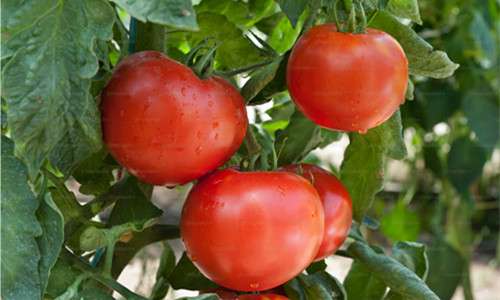
Tomatoes, a globally important crop, are particularly vulnerable to heavy metal contamination. High levels of copper and cadmium in the soil can disrupt nutrient balance, leading to poor fruit development, yield loss, and compromised plant health. Addressing this issue requires innovative solutions that enhance plant resilience and improve nutrient management in contaminated soils.
The Role of Polyaspartic Acid in Plant Health
Polyaspartic acid (PASP) is a biodegradable polymer derived from the amino acid aspartic acid. It has gained significant attention in agriculture due to its ability to enhance nutrient absorption, promote plant growth, and improve soil structure. PASP‘s unique molecular structure allows it to bind to essential minerals and nutrients, facilitating their transport and uptake by plant roots. This feature is particularly valuable in stressful environments, where plants struggle to access the nutrients they need for optimal growth.
In the context of heavy metal stress, PASP has demonstrated remarkable potential in mitigating the toxic effects of metals like copper and cadmium, helping plants maintain normal physiological functions even in contaminated soils. By enhancing nutrient absorption and transport, PASP enables plants to continue thriving in suboptimal conditions, making it a powerful tool for managing crop production in polluted environments.
How Polyaspartic Acid Enhances Mineral Absorption Under Copper and Cadmium Stress
- Chelation of Heavy Metals: One of the primary ways PASP mitigates heavy metal stress is through its chelation properties. PASP can bind to copper and cadmium ions in the soil, reducing their free concentrations and thereby limiting their toxic effects on plants. By forming complexes with these metals, PASP prevents them from interfering with nutrient uptake and plant metabolic processes. This chelation process is particularly important in contaminated soils where high concentrations of free heavy metal ions can severely damage root systems.
- Improved Nutrient Availability: Heavy metal stress often leads to nutrient imbalances in plants. Excess copper and cadmium can inhibit the uptake of essential nutrients such as nitrogen, phosphorus, potassium, and calcium, leading to nutrient deficiencies and stunted growth. PASP enhances nutrient availability by binding to these essential minerals and facilitating their transport to plant roots. This ensures that even in the presence of heavy metals, tomato seedlings can access the nutrients they need for healthy growth and development.
- Enhanced Root Development: Polyaspartic acid promotes robust root development by improving soil structure and increasing water retention. In stressed environments, where root growth is often inhibited by heavy metals, PASP helps protect roots from direct contact with toxic metals, allowing for more extensive root systems. A healthier root system enables better nutrient and water absorption, which is critical for maintaining plant health under stress conditions.
- Stimulating Enzymatic Activity: PASP also stimulates enzymatic activity in plants, enhancing their ability to metabolize nutrients and detoxify harmful compounds. In tomato seedlings exposed to copper and cadmium, PASP has been shown to upregulate enzymes involved in antioxidant defense and metal detoxification, such as superoxide dismutase (SOD) and catalase (CAT). These enzymes play a key role in neutralizing reactive oxygen species (ROS) generated by heavy metal stress, protecting plants from oxidative damage.
- Increased Transport of Nutrients: Another critical benefit of PASP is its ability to enhance the transport of nutrients within the plant. Under heavy metal stress, nutrient transport from roots to shoots can be disrupted, leading to deficiencies in the aerial parts of the plant. PASP improves this transport by maintaining the integrity of vascular tissues and facilitating the movement of essential nutrients, such as calcium and magnesium, to the plant’s growing regions. This ensures that tomato seedlings continue to develop normally even when exposed to toxic metal concentrations.
Field Studies: PASP’s Effect on Tomato Seedlings Under Copper and Cadmium Stress
Numerous field and greenhouse studies have been conducted to evaluate the efficacy of polyaspartic acid in mitigating heavy metal stress in tomato seedlings. The results of these studies consistently demonstrate PASP‘s ability to improve plant growth and nutrient absorption in contaminated soils.
Case Study 1: Copper Stress in Tomato Seedlings
In one study, tomato seedlings were grown in soil with elevated copper concentrations. The control group, which did not receive PASP, exhibited signs of copper toxicity, including chlorosis, reduced root growth, and poor fruit set. In contrast, the group treated with PASP showed significant improvements in both root and shoot development. The treated plants also demonstrated enhanced uptake of essential nutrients such as nitrogen and potassium, which are typically inhibited by copper toxicity.
Furthermore, the PASP-treated plants had higher chlorophyll content and improved photosynthetic efficiency, indicating that PASP helped mitigate the adverse effects of copper stress. The overall yield of the treated plants was significantly higher compared to the control group, highlighting the potential of PASP to improve crop productivity in heavy metal-contaminated soils.
Case Study 2: Cadmium Stress in Tomato Seedlings
In another study focusing on cadmium stress, tomato seedlings were grown in soil with varying levels of cadmium contamination. The control plants showed severe stunting, leaf necrosis, and reduced root growth, all typical symptoms of cadmium toxicity. However, the plants treated with PASP exhibited improved growth and biomass accumulation, despite the presence of cadmium in the soil.
Analysis of the treated plants revealed higher concentrations of essential nutrients like calcium, magnesium, and phosphorus in both the roots and shoots. This suggests that PASP not only reduced the toxicity of cadmium but also enhanced the overall nutrient absorption and transport in the tomato seedlings. Additionally, the PASP-treated plants showed lower levels of cadmium accumulation in their tissues, indicating that PASP played a role in limiting the uptake of this toxic metal.
Long-Term Benefits of PASP in Managing Heavy Metal Stress
The use of polyaspartic acid in managing heavy metal stress in crops offers several long-term benefits for sustainable agriculture. First and foremost, PASP helps maintain soil fertility by improving nutrient availability and preventing heavy metal-induced nutrient imbalances. This ensures that crops can continue to thrive in contaminated soils, reducing the need for costly soil remediation techniques.
Moreover, PASP’s ability to enhance plant resilience against heavy metal stress contributes to higher yields and improved crop quality, even in suboptimal growing conditions. This is particularly important for farmers in regions where heavy metal contamination is a persistent issue due to industrial activities or poor agricultural practices.
From an environmental perspective, the use of PASP is also advantageous because it is biodegradable and does not contribute to soil or water pollution. Unlike synthetic chemicals, which can have long-lasting negative effects on the environment, PASP breaks down into harmless compounds, making it an eco-friendly solution for managing heavy metal stress in agriculture.
Conclusion: Polyaspartic Acid as a Key Tool for Crop Resilience
Polyaspartic acid (PASP) offers a powerful solution for enhancing mineral absorption and transport in tomato seedlings under copper and cadmium stress. By chelating heavy metals, improving nutrient availability, and stimulating enzymatic activity, PASP helps plants overcome the harmful effects of heavy metal toxicity. Field studies have consistently demonstrated PASP’s ability to improve plant growth, nutrient absorption, and overall crop productivity in contaminated soils.
As heavy metal contamination continues to pose a significant challenge to agriculture worldwide, PASP represents a valuable tool for improving crop resilience and ensuring sustainable food production. For farmers facing the dual challenges of heavy metal stress and declining soil fertility, polyaspartic acid offers a cost-effective and environmentally friendly solution that can help maintain productivity and protect crop health for years to come.