Bio-Stimulant Polyaspartic Acid-Potassium (PASP) 40%: Enhancing Fertilizer Bio-Efficacy by 30-40% in Crops
In the quest for sustainable agriculture, the use of bio-stimulants is gaining momentum as an environmentally friendly way to improve crop productivity and soil health. Among these, Polyaspartic Acid-Potassium (PASP-K) 40% has emerged as a revolutionary bio-stimulant with the ability to enhance fertilizer bio-efficacy by 30-40%, making it an indispensable tool for modern agriculture. This article delves into the science behind PASP 40%, its mechanisms of action, and its profound impact on fertilizer efficiency and overall crop growth.
What is Polyaspartic Acid-Potassium (PASP-K) 40%?
Polyaspartic acid is a biodegradable polymer derived from aspartic acid, a naturally occurring amino acid. When combined with potassium, the resulting compound, Polyaspartic Acid-Potassium (PASP-K), provides multiple benefits for plant growth. In its 40% formulation, PASP offers an optimized balance of polyaspartic acid and potassium, making it particularly effective for enhancing the bio-efficacy of fertilizers.
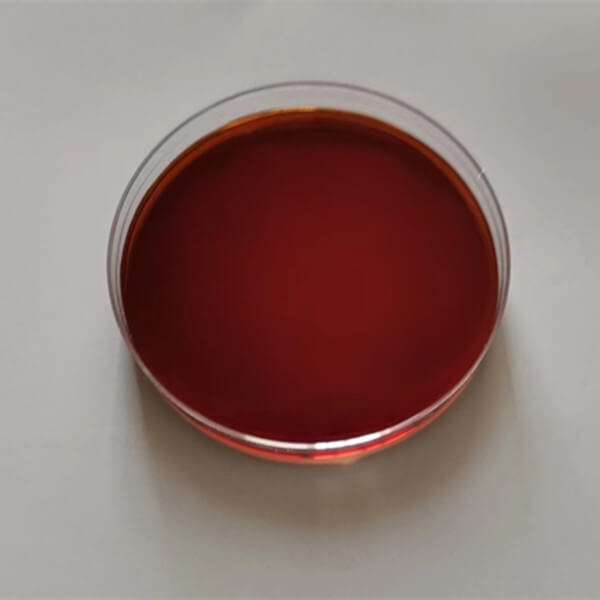
The primary role of PASP is to act as a fertilizer synergist, a compound that increases the efficiency of nutrient uptake in plants. This means that when applied with conventional fertilizers, PASP improves the ability of plants to absorb and utilize essential nutrients, thus boosting crop yields while reducing the need for high fertilizer inputs.
Mechanisms of Action: How PASP Enhances Fertilizer Efficacy
- Chelation of Nutrients: One of the key features of polyaspartic acid is its ability to chelate or bind to essential nutrients like calcium, magnesium, and iron. Chelation improves the availability of these nutrients in the soil, preventing them from being locked into insoluble forms that are unavailable to plants. As a result, crops can access these nutrients more easily, leading to enhanced growth and development.
- Improved Nutrient Uptake: PASP 40% enhances the root’s ability to absorb both macronutrients (such as nitrogen, phosphorus, and potassium) and micronutrients (like zinc and copper). By improving the plant’s ability to take up nutrients, PASP increases the nutrient-use efficiency of applied fertilizers. This means that less fertilizer is needed to achieve the same or even better crop yields.
- Soil Structure Improvement: Another way in which PASP enhances fertilizer bio-efficacy is by improving soil structure. Polyaspartic acid molecules can bind with soil particles, enhancing soil aeration and water retention. A well-structured soil allows for better root growth and improved fertilizer uptake. Furthermore, improved soil structure can help prevent nutrient leaching, a common issue that reduces the effectiveness of fertilizers.
- Reduced Nutrient Leaching: In many agricultural systems, a significant amount of applied fertilizer is lost through leaching, particularly nitrogen and potassium. PASP 40% helps mitigate this problem by reducing the leaching of nutrients from the soil. This retention ensures that more of the applied fertilizer remains available to the plant for an extended period, further enhancing bio-efficacy.
- Increased Enzymatic Activity in Plants: PASP also stimulates enzymatic activity within the plant. Enzymes involved in nutrient metabolism, such as those responsible for nitrogen assimilation, are upregulated when PASP is present. This means that not only are plants able to absorb more nutrients, but they are also more efficient at metabolizing these nutrients into proteins, chlorophyll, and other compounds essential for growth.
Field Results: Increasing Fertilizer Bio-Efficacy by 30-40%
Field studies conducted with Polyaspartic Acid-Potassium (PASP-K) 40% have demonstrated impressive results across various crops, from cereals like wheat and maize to horticultural crops like tomatoes and cucumbers. In these studies, PASP 40% consistently increased fertilizer bio-efficacy by 30-40%, allowing farmers to achieve higher yields with reduced fertilizer input.
Case Study: Wheat Production
In a controlled trial involving wheat, PASP 40% was applied in conjunction with standard nitrogen and phosphorus fertilizers. The results showed a 35% increase in grain yield compared to fields treated with fertilizer alone. Additionally, nitrogen-use efficiency (NUE) was significantly improved, with plants requiring less nitrogen to achieve optimum growth. Farmers were able to reduce their fertilizer input by 20%, resulting in cost savings while maintaining or even boosting productivity.
Case Study: Tomato Cultivation
In another study involving tomatoes, PASP 40% was applied with a conventional NPK fertilizer. The tomato plants exhibited enhanced root growth, improved fruit set, and a 40% increase in fruit yield compared to the control group. Furthermore, the quality of the tomatoes was improved, with higher levels of sugars and vitamins, indicating that PASP not only boosts yield but also enhances crop quality.
Case Study: Maize Growth
Maize, one of the most widely cultivated crops in the world, also benefits from the application of PASP 40%. In field trials, PASP 40% led to a significant increase in nitrogen uptake and utilization efficiency, resulting in a 32% increase in maize yields. Moreover, the plants showed improved resistance to environmental stressors such as drought and nutrient-poor soils, highlighting the role of PASP as a stress mitigator in challenging agricultural environments.
Environmental Benefits of PASP 40%
Beyond its impact on crop yields and fertilizer efficiency, PASP 40% offers several environmental benefits. By improving nutrient-use efficiency and reducing the need for high fertilizer inputs, PASP helps mitigate the environmental issues associated with over-fertilization, such as nutrient runoff and water pollution. This is particularly important in regions where excessive fertilizer use has led to the contamination of waterways with nitrogen and phosphorus, causing algal blooms and other ecological damage.
Moreover, PASP 40% is biodegradable and environmentally friendly. Unlike synthetic chemicals that can persist in the environment for long periods, PASP breaks down into harmless compounds, ensuring that its use does not contribute to soil or water pollution. This makes PASP an excellent choice for farmers seeking to adopt more sustainable agricultural practices.
Cost Efficiency for Farmers
From an economic perspective, the use of PASP 40% represents a cost-effective solution for farmers. By increasing fertilizer bio-efficacy, PASP allows farmers to reduce their fertilizer inputs without sacrificing yield. This leads to direct cost savings on fertilizers, which are often one of the most significant expenses in crop production. Furthermore, the improved yield and crop quality resulting from PASP application translate into higher market prices and increased revenue for farmers.
In regions where fertilizer costs are rising or where there is a push towards more sustainable farming practices, PASP 40% offers a viable solution for maintaining profitability while reducing environmental impact. The long-term benefits of using PASP in terms of soil health and sustainability further contribute to its cost efficiency, as healthier soils require fewer inputs and are more resilient to environmental stressors.
Conclusion: PASP 40% as a Game-Changer in Agriculture
The ability of Polyaspartic Acid-Potassium (PASP-K) 40% to enhance fertilizer bio-efficacy by 30-40% makes it a game-changer for modern agriculture. By improving nutrient availability, uptake, and utilization, PASP helps farmers achieve higher yields with fewer inputs, leading to cost savings and reduced environmental impact. As the demand for sustainable agricultural practices continues to grow, the role of bio-stimulants like PASP 40% will become increasingly important in meeting the global food supply challenges of the future.
Incorporating PASP into fertilizer regimes offers a win-win situation for farmers: higher productivity, better crop quality, and environmental sustainability. For those looking to maximize the efficiency of their fertilizer use, Polyaspartic Acid-Potassium (PASP-K) 40% is an essential tool in the agricultural arsenal.