Using ε-Polylysine in Dairy Products and Beverages
Introduction
Food manufacturers constantly balance safety, shelf life, and consumer demand for clean-label products—especially in dairy and beverage categories. Traditional preservatives like sorbates and benzoates often clash with label expectations or have limited efficacy in complex matrices. In this evolving landscape, ε-Polylysine (epsilon polylysine) has emerged as a highly effective natural antimicrobial peptide that meets both performance and regulatory expectations.
This article explains how ε-Polylysine enhances microbial stability in dairy and beverage formulations, its functional mechanisms, application best practices, and why it’s becoming a go-to preservative for forward-looking food brands.
What Is ε-Polylysine?
ε-Polylysine is a biodegradable, safe, naturally derived antimicrobial peptide, composed of lysine residues linked through ε-amino groups. Its structure gives it broad-spectrum antimicrobial activity with minimal impact on taste and color—critical parameters for dairy and beverage applications.
Unlike conventional preservatives, ε-Polylysine is:
- Recognized as Generally Recognized as Safe (GRAS) in many regulatory regions
- Active against both Gram-positive and Gram-negative bacteria
- Effective at low use levels
- Compatible with a range of pH conditions
For high-quality ε-Polylysine suited to food formulations, information and sourcing details are available here:
🔗 https://waycoochem.com/%CE%B5-polylysine-hydrochlorid/
Why Dairy and Beverages Need Effective Antimicrobials
Microbial Spoilage Risks
Dairy products (milk, yogurt, cheese, whey drinks) and beverages (juices, RTD drinks, functional drinks) are susceptible to spoilage from:
- Lactic acid bacteria
- Coliforms
- Yeasts and molds
- Psychrotrophic spoilage organisms
Conventional hurdles like heat treatment and low pH help, but many products still require preservative systems to extend shelf life and ensure safety during distribution.
Clean-Label Consumer Demand
Modern consumers increasingly seek products with:
- Familiar, minimal ingredient lists
- “Natural” or “plant-derived” preservative claims
- Reduced reliance on synthetic additives
ε-Polylysine supports this trend because it is a natural peptide, aligning with clean-label expectations.
Functional Mechanism of ε-Polylysine
Membrane Disruption
ε-Polylysine interacts with the microbial cell membrane, causing:
- Electrostatic attraction to negatively charged surfaces
- Disruption of membrane integrity
- Leakage of intracellular components
This is especially effective against bacteria and some yeasts.
Low Resistance Development
Unlike some traditional antimicrobials, microbes do not readily develop resistance to ε-Polylysine due to its unique peptide-based mechanism, reducing long-term spoilage risk.
Activity Across Conditions
ε-Polylysine retains activity across:
- Broad pH ranges (acidic to near-neutral)
- Moderate temperature variations
- Complex food matrices
This versatility makes it ideal for diverse dairy and beverage formats.
Applications in Dairy Products
Milk and Liquid Dairy
In fluid milk and dairy beverages, ε-Polylysine:
- Controls spoilage bacteria
- Extends refrigerated shelf life
- Reduces the need for synthetic preservatives
It also works synergistically with mild heat treatments and packaging controls.
Yogurt and Fermented Dairy
In yogurt and cultured dairy:
- ε-Polylysine helps manage yeast and mold growth
- Complementary to starter cultures when properly formulated
- Allows reduced use of sorbates without flavor compromise
Cheese and Dairy Snacks
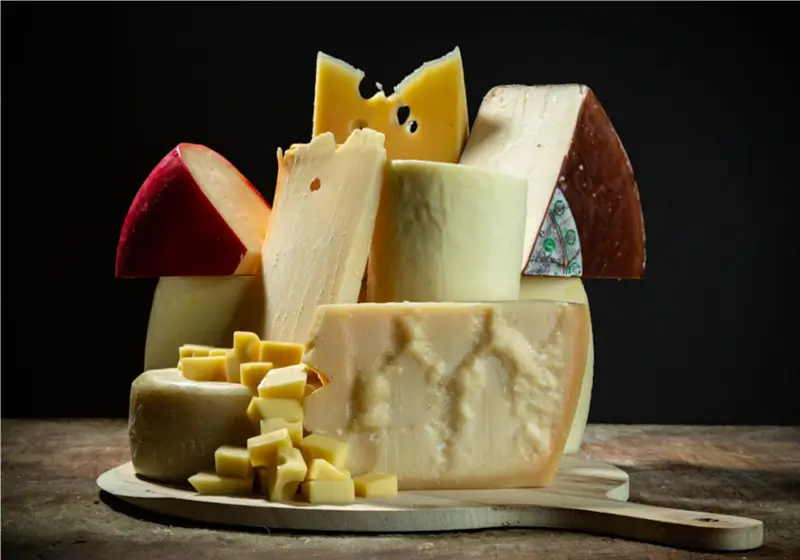
Hard cheeses and whey-based drinks benefit from ε-Polylysine’s stability and zero impact on taste, especially in products stored at ambient or refrigerated conditions.
Applications in Beverages
Fruit & Functional Beverages
Low pH fruit and functional drinks (e.g., GT’s, flavored waters, probiotic beverages) pose microbial challenges due to sugar content and fruit enzymes. ε-Polylysine helps:
- Suppress spoilage bacteria
- Inhibit yeast growth
- Maintain sensory integrity
RTD Teas and Juices
Ready-to-drink teas and juices often face oxidation and microbial spoilage. ε-Polylysine’s peptide nature supports microbial control without altering taste or cloudiness.
Dosage and Formulation Considerations
Typical Usage Levels
ε-Polylysine is effective at low concentrations (typically 10–50 ppm, depending on product and regulatory guidelines). Overuse can impact cost efficiency without additional benefit.
Combining with Hurdle Technologies
ε-Polylysine works well alongside:
- Mild pasteurization
- Low pH design
- Modified atmosphere packaging
- Natural antioxidants
This “hurdle approach” enhances food safety while minimizing additive loads.
Regulatory and Safety Profile
ε-Polylysine is widely accepted across many regions:
- Recognized as safe by FDA/GRAS for general food use
- Accepted in Japan, South Korea, and ASEAN markets
- Meets clean label ingredient standards
Its low toxicity and digestibility underpin its safety profile, making it suitable for products consumed by children and sensitive populations.
Comparing With Traditional Preservatives
| Feature | ε-Polylysine | Potassium Sorbate | Benzoates |
|---|---|---|---|
| Natural Origin | Yes | No | No |
| Broad Spectrum | Good | Moderate | Moderate |
| pH Range Activity | Wider | Optimal below pH 4.5 | Optimal below pH 4.5 |
| Flavor Impact | Minimal | Potential | Potential |
| Clean Label | Excellent | Limited | Limited |
ε-Polylysine frequently outperforms traditional preservatives in taste neutrality and consumer acceptance while delivering comparable antimicrobial control in many dairy and beverage systems.
Selection and Supplier Considerations
When selecting ε-Polylysine for dairy and beverage applications, formulators should consider:
- Purity and performance grade
- Certificate of Analysis (COA)
- Technical support for application trials
- Regulatory documentation (GRAS, FSANZ, etc.)
For reliable quality and supply, explore this commercial ε-Polylysine option with full documentation and technical backing:
🔗 https://waycoochem.com/%CE%B5-polylysine-hydrochlorid/
Conclusion
ε-Polylysine represents a versatile, natural, and effective solution for microbial control in dairy products and beverages. Its peptide-based antimicrobial mechanism, broad application conditions, and clean-label compatibility make it an increasingly preferred choice for formulators seeking balanced performance and consumer appeal.
By integrating ε-Polylysine within a holistic food safety strategy, manufacturers can achieve extended shelf life, improved microbial stability, and stronger alignment with market and regulatory trends.