Tackling Struvite Formation in Biogas Pipelines with Polyaspartic Acid Sodium Salt (PASP)
Introduction:
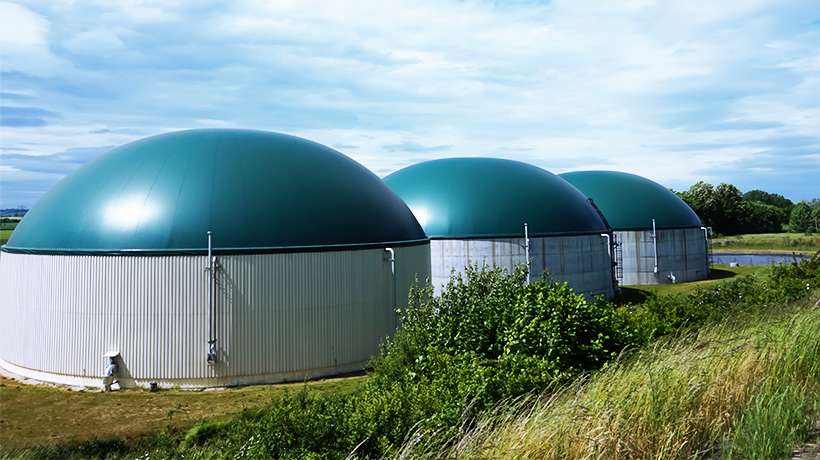
The production of biogas through organic waste digestion has gained significant momentum as a sustainable energy solution. Nevertheless, the presence of struvite (magnesium ammonium phosphate) in biogas pipelines poses a considerable challenge to system efficiency and maintenance. This article delves into the effectiveness of utilizing Polyaspartic Acid Sodium Salt (PASP-Na) as a preventive measure against struvite deposition in biogas pipelines. By exploring the benefits and application considerations of PASP-Na, we uncover how it can minimize struvite-related issues, ensuring uninterrupted operation and cost savings.
The Formation of Struvite:
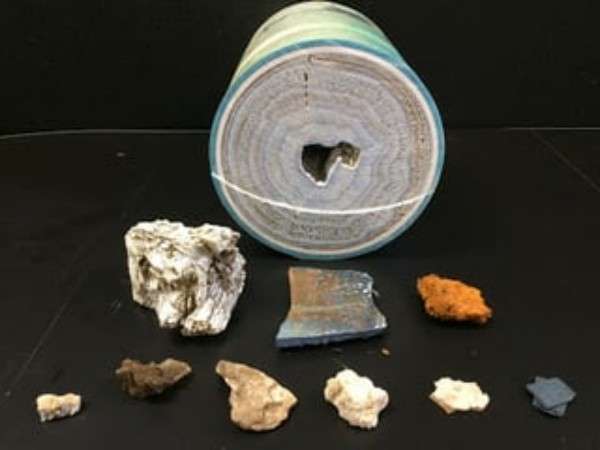
During the anaerobic digestion process, the breakdown of organic matter creates conditions ideal for the formation of struvite crystals. These crystals tend to accumulate on the surfaces of biogas pipelines, impairing flow, increasing pressure drop, and potentially causing equipment damage. Such issues lead to downtime and expensive cleaning or replacement procedures.
The Role of Polyaspartic Acid Sodium Salt (PASP-Na):
PASP-Na emerges as an effective inhibitor of struvite formation within biogas pipelines. Derived from renewable resources, PASP-Na is a water-soluble polymer that demonstrates remarkable properties. When introduced into the biogas stream, PASP-Na acts as a dispersant, preventing the precipitation of magnesium and phosphate ions necessary for struvite crystal nucleation and growth.
Benefits of Implementing PASP-Na:
Prevention of Struvite Deposition:
PASP-Na forms a protective layer on the inner surfaces of biogas pipelines, effectively inhibiting the formation and adhesion of struvite crystals. Consequently, maintenance intervals can be extended, reducing the frequency of pipeline cleaning requirements.
Improved Flow and System Efficiency:
By halting struvite deposition, PASP-Na maintains optimal flow rates within the biogas pipelines. This minimizes energy losses resulting from pressure drops, ensuring consistent and efficient biogas production.
Cost Savings on Maintenance:
Struvite accumulation often necessitates expensive cleaning or equipment replacement. By implementing PASP-Na as a preventive measure, maintenance costs associated with struvite-related issues can be significantly reduced or even eliminated altogether.
Environmental Sustainability:
Derived from eco-friendly sources, PASP-Na aligns with sustainable practices. Additionally, it exhibits biodegradability, further contributing to the overall environmental performance of the biogas production process.
Considerations for PASP-Na Application:
To achieve optimal results when employing PASP-Na for preventing struvite formation, several factors should be considered:
- Accurate Dosage Determination:
The dosage of PASP-Na should be determined based on system characteristics, specific operating conditions, and water chemistry.
- Uniform Distribution:
Ensuring the thorough distribution of PASP-Na throughout the biogas stream is crucial for effective coverage and inhibition of struvite formation.
- Regular Monitoring:
System parameters should be regularly monitored, and periodic testing of the treated biogas should be performed to verify the efficacy of the PASP-Na treatment.
Conclusion:
Polyaspartic Acid Sodium Salt (PASP-Na) offers a reliable and efficient solution in preventing the formation of struvite deposits within biogas pipelines. By utilizing PASP-Na as a struvite inhibitor, operators can effectively reduce downtime, lower maintenance costs, enhance system efficiency, and prolong the lifespan of equipment. With its environmentally friendly attributes and compatibility with sustainable practices, PASP-Na presents a practical and cost-effective approach to optimizing biogas production while promoting the long-term viability of renewable energy generation.