What Is Sodium Cocoyl Glutamate? A Complete Guide to Its Benefits
If you’ve ever read the ingredient label on a gentle shampoo, facial cleanser, or baby bath product, you might have seen a mouthful of a name: Sodium Cocoyl Glutamate. It sounds complicated, but in reality, it’s one of the most skin-friendly surfactants available today.
In this guide, we’ll break down what sodium cocoyl glutamate is, why it matters, and how it can benefit your skin, hair, and overall skincare routine.
What Is Sodium Cocoyl Glutamate?
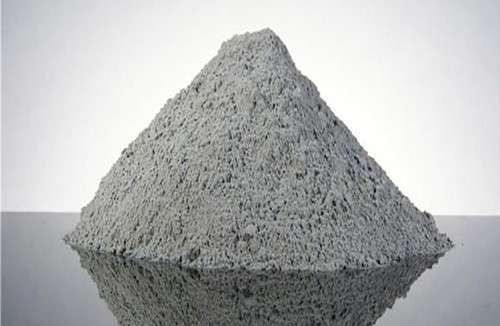
Sodium cocoyl glutamate is a mild, plant-derived surfactant made from coconut fatty acids and glutamic acid, an amino acid naturally found in the human body.
In simple terms: it’s a soap-free cleanser that helps remove dirt and oil without stripping the skin or hair of natural moisture. Unlike traditional sulfates, which can be harsh, sodium cocoyl glutamate is gentle enough for sensitive skin, baby products, and everyday use.
Why It’s Popular in Skincare
The beauty industry is moving toward clean-label, mild, and eco-friendly ingredients, and sodium cocoyl glutamate ticks all the boxes:
- Mild and non-irritating: Safe for sensitive skin and delicate areas.
- Biodegradable and eco-friendly: Made from natural amino acids and coconut derivatives.
- Versatile: Used in facial cleansers, body washes, shampoos, and even makeup removers.
It’s also a great marketing point for brands targeting consumers who care about sustainability and gentle formulations.
Key Benefits of Sodium Cocoyl Glutamate
1. Gentle Cleansing
Sodium cocoyl glutamate removes dirt, oil, and impurities without causing dryness or irritation, making it ideal for sensitive skin and children’s products.
2. Moisture Retention
Unlike harsh surfactants, it helps retain skin’s natural moisture, leaving the skin feeling soft and hydrated after cleansing.
3. Supports Hair Health
In shampoos and conditioners, it cleanses the scalp gently while protecting hair from damage, reducing dryness and frizz.
4. Eco-Friendly and Biodegradable
It’s plant-based and environmentally friendly, making it an ideal choice for brands focused on sustainability.
5. Low Irritation Potential
Clinical studies show it is less irritating than SLS (Sodium Lauryl Sulfate), so it’s safe for sensitive, acne-prone, or eczema-prone skin.
How to Use Sodium Cocoyl Glutamate
Sodium cocoyl glutamate is versatile and can be found in:
- Facial cleansers: Gentle removal of makeup and impurities.
- Shampoos and conditioners: Mild cleansing that preserves natural oils.
- Body washes: Safe for everyday use, including for babies.
- Bubble baths and bath products: Gentle enough for delicate skin.
Pro tip: Because it’s mild, formulations may combine it with other gentle surfactants for enhanced foam and cleansing efficacy.
FAQ About Sodium Cocoyl Glutamate
Q1: Is sodium cocoyl glutamate safe for sensitive skin?
Yes. It is a mild, non-irritating surfactant suitable for all skin types, including sensitive skin, children, and those prone to eczema or irritation.
Q2: Can it replace traditional sulfates?
Absolutely. It provides gentle cleansing without the harshness of SLS or SLES, making it ideal for sensitive skin or natural/eco-friendly formulations.
Q3: Is it environmentally friendly?
Yes. Sodium cocoyl glutamate is biodegradable, plant-derived, and sustainable, which makes it a popular choice for green and clean-label cosmetic brands.
Q4: Can it be used in haircare products?
Yes. It cleanses hair and scalp gently while retaining moisture, reducing dryness and frizz.
Q5: Does it foam well?
It produces moderate foam, which is generally sufficient in combination with other mild surfactants. Foam isn’t harsh but provides the satisfying texture consumers expect.
Q6: Can sodium cocoyl glutamate cause dryness?
Generally, no. Unlike harsher sulfates, it is mild and non-stripping, helping maintain the skin’s natural moisture. However, overuse or high concentrations in a formula could slightly dry very sensitive skin, so moderation is key.
Q7: Is it suitable for eczema-prone or acne-prone skin?
Yes. Its low irritation potential and gentle cleansing make it suitable for eczema-prone or acne-prone skin. Always perform a patch test with new products, especially if your skin is extremely reactive.
Q8: Can it be used in DIY skincare or haircare formulations?
Absolutely. Sodium cocoyl glutamate is safe for at-home formulations like gentle facial cleansers, baby shampoos, and mild body washes. Use recommended concentrations (usually 5–15%) for best results.
Q9: Is it compatible with other surfactants or ingredients?
Yes. It blends well with other mild surfactants, moisturizers, botanical extracts, and essential oils, making it versatile for multi-functional cosmetic formulations.
Q10: How does it compare to other natural surfactants?
Compared to alternatives like coco-glucoside or decyl glucoside, sodium cocoyl glutamate is:
- Milder on sensitive skin
- Biodegradable and eco-friendly
- Provides moderate foam with excellent cleansing properties
Q11: Is it safe for babies and children?
Yes. Its hypoallergenic and gentle properties make it ideal for baby shampoos, body washes, and bath products. It cleans effectively without irritating delicate skin.
Q12: Can it be used in facial cleansers for oily skin?
Yes. It gently removes excess oil without over-drying the skin, which is important for maintaining skin balance and preventing rebound oiliness.
Q13: Does it work in sulfate-free shampoo formulations?
Absolutely. Sodium cocoyl glutamate is a popular sulfate-free surfactant, helping maintain hair moisture while still providing cleansing and mild foam.
Final Thoughts
Sodium cocoyl glutamate is more than just a mouthful on a label—it’s a gentle, effective, and eco-friendly surfactant that meets the growing demand for mild, plant-based, and clean-label cosmetic ingredients.
Whether you’re a consumer seeking gentle skincare, a parent looking for safe baby products, or a brand creating eco-conscious formulations, sodium cocoyl glutamate is a versatile ingredient worth knowing.