Sodium Gluconate vs Sodium Glucoheptonate: Which High-Temperature Concrete Additive Wins?
Concrete additives play a vital role in enhancing the properties of concrete, particularly for specialized applications like high-temperature environments. Sodium gluconate and sodium glucoheptonate are two popular chemical additives used to improve the workability and durability of concrete in high-heat conditions. But which of these additives is more effective when it comes to high-temperature concrete applications? In this article, we’ll compare the two to determine which one offers superior performance in terms of workability, strength, and resistance to heat.
1. Introduction: The Need for High-Temperature Concrete Additives
High-temperature concrete, often used in industrial, construction, and infrastructure projects, requires additives that can improve its heat resistance, strength, and overall durability. These applications typically involve exposure to extreme temperatures, such as in industrial furnaces, chimneys, or concrete structures exposed to direct sunlight or fire. Additives like sodium gluconate and sodium glucoheptonate are used to enhance the workability of concrete and prevent premature setting, making it easier to handle and mold at elevated temperatures.
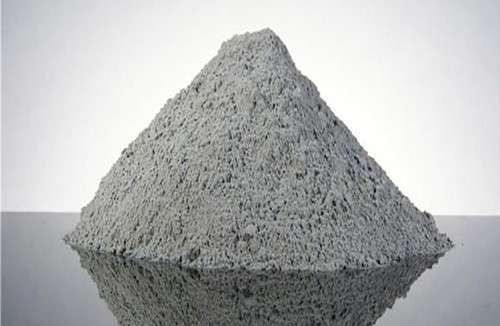
2. Sodium Gluconate: The Classic Concrete Additive
Sodium gluconate is a widely used concrete additive known for its ability to improve the workability and extend the setting time of concrete. It is particularly effective in high-temperature environments because it slows down the hydration process, allowing for easier handling during the pouring process. Sodium gluconate works as a water-reducing agent, making the concrete mix more fluid without increasing water content. This characteristic helps in reducing the risk of cracks that can form during the curing process in hot weather.
- Benefits of Sodium Gluconate:
- Improved Workability: Increases fluidity without compromising strength.
- Extended Setting Time: Prevents premature hardening, making it ideal for high-temperature applications.
- Effective in High-Heat Conditions: Sodium gluconate maintains its performance even when exposed to elevated temperatures.
- Applications: Commonly used in ready-mix concrete, precast concrete, and high-performance concrete applications.
3. Sodium Glucoheptonate: A Strong Competitor in High-Temperature Concrete
Sodium glucoheptonate is a more recent addition to the list of concrete additives. Similar to sodium gluconate, it helps improve the workability and setting times of concrete. However, sodium glucoheptonate is derived from heptose, a sugar with a seven-membered carbon ring structure. This structural difference gives sodium glucoheptonate a more complex interaction with the cement particles compared to sodium gluconate, enhancing its ability to control the setting and hardening process, especially at high temperatures.
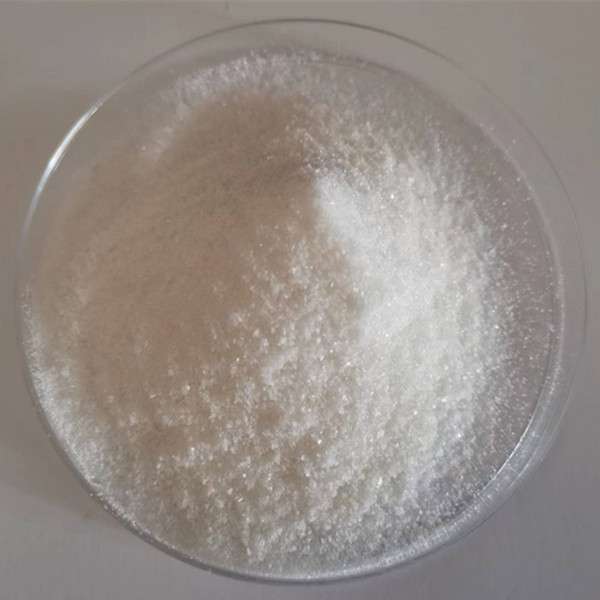
- Benefits of Sodium Glucoheptonate:
- Better High-Temperature Stability: Sodium glucoheptonate offers superior performance at elevated temperatures, especially in conditions that would otherwise cause premature setting.
- Increased Strength Development: It can improve the early strength of the concrete while maintaining long-term durability.
- Enhanced Durability: Its composition allows it to provide better resistance to thermal cracking, a common issue when concrete is exposed to extreme heat.
- Applications: Used in high-performance concrete, especially in areas subject to extreme thermal stress such as in construction around industrial furnaces, kilns, and high-heat areas.
4. Comparison: Sodium Gluconate vs Sodium Glucoheptonate in High-Temperature Concrete
Both sodium gluconate and sodium glucoheptonate have their unique advantages, but when comparing them for high-temperature applications, here are a few key differences:
| Feature | Sodium Gluconate | Sodium Glucoheptonate |
|---|---|---|
| Workability | Improves fluidity and reduces water demand. | Similar to sodium gluconate, but more stable at high temperatures. |
| Setting Time | Extends setting time, ideal for hot conditions. | Extends setting time, but provides better control at higher temperatures. |
| Strength Development | Suitable for typical concrete applications. | Enhances early strength development, making it ideal for high-heat environments. |
| Thermal Cracking Resistance | Moderate resistance to thermal cracking. | Superior resistance to thermal cracking and high-heat exposure. |
| Durability in High-Temperatures | Effective but may lose effectiveness at extremely high temperatures. | More stable and durable at higher temperatures. |
5. Which One is Better for High-Temperature Applications?
When it comes to high-temperature concrete, sodium glucoheptonate appears to be the superior choice. While sodium gluconate is effective for a variety of concrete applications, sodium glucoheptonate offers better high-temperature stability, making it ideal for environments where concrete is exposed to extreme thermal conditions. Its superior resistance to thermal cracking and enhanced durability at elevated temperatures gives it a distinct edge for applications such as industrial furnace linings, chimneys, and structures exposed to fire or extreme heat.
However, sodium gluconate still holds its ground as a reliable and cost-effective option for moderate high-temperature environments or general use. It may be more suitable for applications where the exposure to extreme heat is less intense, and where a more traditional additive will suffice.
Conclusion: The Right Choice Depends on the Application
Both sodium gluconate and sodium glucoheptonate are valuable additives in the realm of high-temperature concrete, each offering unique benefits depending on the specific needs of the project. If you are dealing with extreme high-temperature applications and require enhanced durability, sodium glucoheptonate is the clear winner. For more typical high-temperature conditions, sodium gluconate remains a reliable, cost-effective choice.