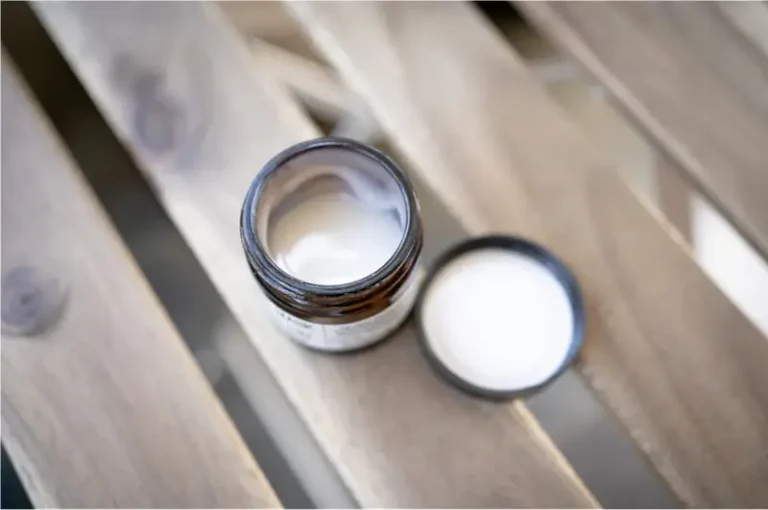
How Sodium Cocoyl Glycinate Can Improve Skin Texture and Hydration
If you’ve ever looked at a facial cleanser label and wondered, “What on earth is sodium cocoyl glycinate?”, you’re not alone. It sounds technical, but it’s actually one of the most gentle, skin-loving surfactants in modern skincare.
In this guide, we’ll break down what sodium cocoyl glycinate is, how it works, and why it’s a hero ingredient for improving skin texture and boosting hydration.
What Is Sodium Cocoyl Glycinate?
Sodium cocoyl glycinate is a mild, amino acid-based surfactant derived from coconut fatty acids and glycine, a naturally occurring amino acid in the human body.
In plain English: it’s a soap-free cleanser that gently removes dirt, oil, and impurities without stripping your skin’s natural moisture barrier. Unlike traditional sulfates, which can leave skin dry and tight, sodium cocoyl glycinate is hydrating, soothing, and suitable for sensitive skin.
Why It Matters for Skin Texture and Hydration
Healthy skin isn’t just about looking smooth—it’s about feeling soft, supple, and balanced. Sodium cocoyl glycinate helps in three key ways:
1. Maintains Natural Moisture
This gentle surfactant helps your skin retain water during cleansing, preventing the tight, dry feeling that harsh cleansers often cause. The result: skin feels softer, plumper, and more hydrated.
2. Improves Skin Barrier Function
By avoiding harsh stripping, sodium cocoyl glycinate helps preserve the skin’s natural lipid barrier, which is essential for protecting against environmental stressors and preventing moisture loss.

3. Smooths Skin Texture
Regular use of gentle cleansers with sodium cocoyl glycinate can reduce roughness, irritation, and unevenness, giving the skin a smoother, more refined texture over time.
Additional Benefits
- Low irritation potential: Ideal for sensitive, acne-prone, or eczema-prone skin.
- Eco-friendly and biodegradable: A plant-derived, environmentally responsible surfactant.
- Versatile: Works in facial cleansers, body washes, shampoos, and even bubble baths.
- Foaming properties: Produces gentle, satisfying lather without harsh sulfates.
How to Use Sodium Cocoyl Glycinate
You can find this ingredient in:
- Facial cleansers – gentle removal of makeup, oil, and pollutants.
- Shampoos and conditioners – cleans hair and scalp while retaining moisture.
- Body washes – everyday cleansing without drying skin.
- Baby bath products – mild, hypoallergenic, and safe for delicate skin.
Pro tip: Because it’s mild, it pairs well with other skin-loving ingredients like glycerin, hyaluronic acid, and botanical extracts to enhance hydration and soothing effects.
FAQ About Sodium Cocoyl Glycinate
Q1: Is sodium cocoyl glycinate safe for sensitive skin?
Yes. It is very gentle and non-irritating, making it suitable for sensitive, acne-prone, and eczema-prone skin.
Q2: Can it improve skin hydration?
Absolutely. Its moisture-retaining properties help maintain the skin barrier, leaving the skin soft, plump, and hydrated after cleansing.
Q3: Can it help with rough or uneven skin texture?
Yes. Regular use helps smooth skin texture by preventing dryness and irritation, which are common causes of roughness.
Q4: Is it environmentally friendly?
Yes. Sodium cocoyl glycinate is plant-derived, biodegradable, and safe for eco-conscious formulations.
Q5: Can it be used in haircare products?
Yes. It’s commonly found in shampoos and conditioners, cleansing hair gently while reducing dryness and frizz.
Q6: How does it compare to traditional sulfates?
Unlike SLS or SLES, it is non-stripping, hydrating, and mild, making it suitable for daily use, sensitive skin, and baby products.
Q7: Can it be combined with other hydrating ingredients?
Yes. Works well with glycerin, hyaluronic acid, panthenol, aloe vera, and botanical extracts to boost hydration and skin-soothing effects.
Q8: Can it be used in DIY skincare or haircare formulations?
Yes. Sodium cocoyl glycinate is safe for at-home formulations like gentle facial cleansers, baby shampoos, and mild body washes. Use recommended concentrations (usually 5–15%) for best results.
Q9: Is it suitable for oily or acne-prone skin?
Absolutely. It gently cleanses excess sebum without over-drying, helping to maintain a balanced, healthy skin barrier—ideal for oily or acne-prone skin types.
Q10: Does it foam well in sulfate-free cleansers?
Yes. It produces moderate, creamy foam that satisfies consumer expectations, while still being mild and non-irritating. Foam can be enhanced further when combined with other mild surfactants.
Q11: Can it help with sensitive baby skin?
Yes. Its hypoallergenic and gentle nature makes it ideal for baby shampoos, body washes, and bath products. It cleans effectively without irritating delicate skin.
Q12: How does it compare to other amino acid-based surfactants?
Compared to alternatives like sodium cocoyl glutamate or sodium lauroyl sarcosinate, sodium cocoyl glycinate:
- Provides excellent hydration
- Has very low irritation potential
- Works well in both facial and haircare products
Q13: Can it be combined with other hydrating ingredients?
Yes. It works synergistically with glycerin, hyaluronic acid, panthenol, aloe vera, and botanical extracts, enhancing moisture retention and skin-soothing effects.
Q14: Is it environmentally friendly?
Yes. Sodium cocoyl glycinate is plant-derived, biodegradable, and safe for eco-conscious formulations, making it a favorite in natural and clean-label products.
Q15: How should it be stored?
Store in a cool, dry place, away from direct sunlight and heat, to preserve its effectiveness in your formulations.
Final Thoughts
Sodium cocoyl glycinate may not be a household name, but it’s a skin-saving, moisture-loving hero in modern skincare. It gently cleanses, supports hydration, and improves skin texture without harsh sulfates.
Whether you’re formulating eco-conscious, sensitive-skin-friendly products or simply seeking a gentle, effective cleanser for yourself, sodium cocoyl glycinate deserves your attention.