6 Key Benefits of Sodium Polyaspartate in Sugar Production
Introduction
Sodium Polyaspartate(PASP-Na) is increasingly recognized for its beneficial role in sugar production. This biodegradable polymer offers a range of advantages that enhance the efficiency and sustainability of sugar manufacturing processes. In this article, we will outline six key benefits of Sodium Polyaspartate in sugar production, demonstrating its value in modern industrial applications.
1. Prevention of Scale Formation
One of the most significant benefits of pasp-na is its ability to prevent scale formation in evaporators and heat exchangers. Scale buildup can severely impact the efficiency of equipment, leading to increased energy consumption and costly downtime. By incorporating Sodium Polyaspartate, sugar producers can effectively inhibit scale formation, ensuring optimal heat transfer and reducing maintenance needs.
This benefit translates into energy savings and prolonged equipment lifespan, contributing to overall operational efficiency.
2. Enhanced Viscosity Control
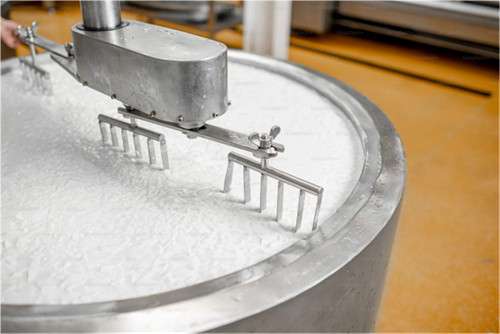
In sugar production, managing the viscosity of syrups is essential for ensuring smooth processing and consistent product quality. Sodium Polyaspartate acts as a viscosity modifier, allowing manufacturers to achieve the desired consistency without the need for additional thickeners or stabilizers.
This key benefit simplifies the formulation process, enabling sugar producers to optimize their products while maintaining quality and performance.
3. Improved Water Quality Management
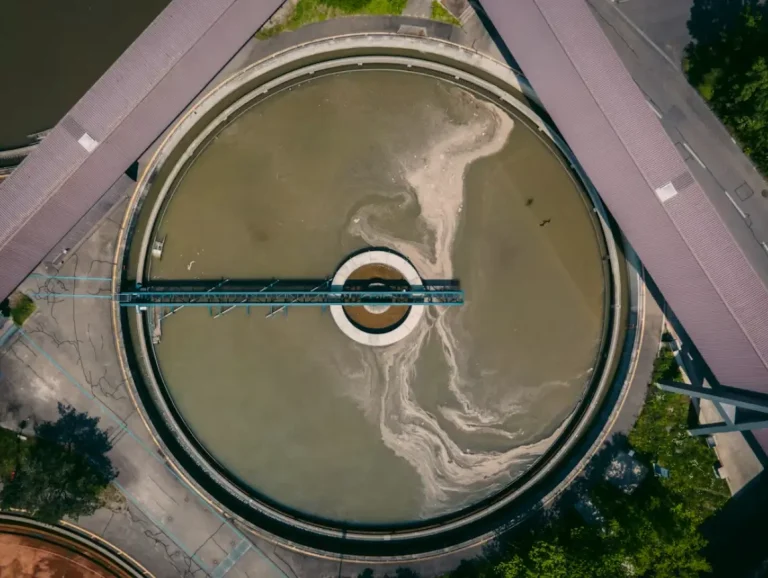
Water quality is crucial in the sugar industry, as it directly influences syrup clarity and taste. Sodium Polyaspartate can be utilized in water treatment applications to reduce hardness and prevent scaling in water systems. By ensuring high-quality water, sugar producers can enhance the overall quality of their products.
This benefit is particularly valuable in meeting consumer expectations for clarity and taste, ultimately leading to higher customer satisfaction.
4. Eco-Friendly Production Practices
Sodium Polyaspartate‘s biodegradable nature makes it an eco-friendly choice for sugar manufacturers. As sustainability becomes increasingly important, using Sodium Polyaspartate aligns with the industry’s shift towards greener practices.
By reducing the reliance on harmful chemicals and additives, sugar producers can improve their environmental footprint while still maintaining high product quality.
5. Cost-Effective Solutions
Cost efficiency is a critical consideration in sugar production. Sodium Polyaspartate contributes to cost savings by reducing equipment maintenance, improving production efficiency, and minimizing waste. The effective prevention of scale and corrosion leads to lower operational costs and enhances profitability.
This benefit allows sugar producers to remain competitive in a market that demands both quality and cost-effectiveness.
6. Versatility Across Production Stages
Sodium Polyaspartate‘s versatility is one of its most appealing features. Its applications span multiple stages of sugar production, from refining to crystallization. This adaptability enables manufacturers to optimize various processes and tailor their operations to meet specific production requirements.
The ability to utilize Sodium Polyaspartate in different aspects of sugar production enhances overall process flexibility and efficiency.
Conclusion
Sodium Polyaspartate is proving to be a vital asset in sugar production, offering key benefits that enhance efficiency, sustainability, and product quality. From preventing scale formation to improving water quality management, its applications are transforming traditional sugar manufacturing practices. As the industry evolves, embracing innovative solutions like Sodium Polyaspartate will be essential for meeting the demands of modern consumers and maintaining competitiveness.