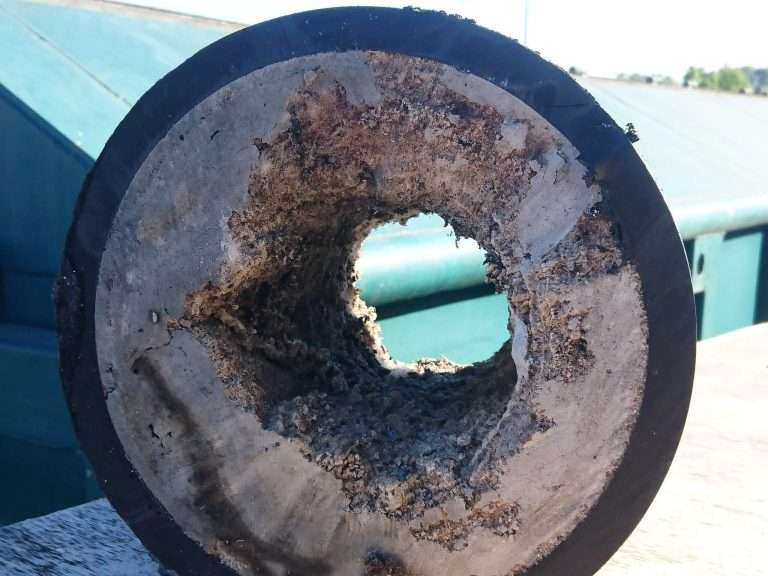
Sodium Glucoheptonate vs. Sodium Gluconate: Which Is Better?
In industrial and specialty chemical formulations, chelating agents play a critical role in controlling metal ions, improving stability, and enhancing overall system performance. Among the most commonly discussed options are Sodium Gluconate and Sodium Glucoheptonate.
At first glance, these two ingredients appear similar. Both are glucose-derived, biodegradable, and widely used as EDTA alternatives. But when formulators ask:
Sodium Glucoheptonate vs. Sodium Gluconate — which is better?
The answer depends on performance requirements, operating pH, and application complexity.
This article provides a clear, formulation-driven comparison to help B2B buyers, formulators, and procurement teams make the right choice.
1. Chemical Background: Same Family, Different Capability
Both products belong to the polyhydroxy carboxylate chelator family, but subtle structural differences lead to meaningful performance gaps.
Sodium Gluconate
Sodium Gluconate is the sodium salt of gluconic acid and is widely used as a basic chelating and sequestrant agent in detergents, construction chemicals, and water treatment.
👉 Product reference:
Sodium Gluconate
https://waycoochem.com/sodium-gluconate/
Key characteristics:
- One carboxyl group
- Moderate chelation strength
- Best performance in neutral to mildly alkaline systems
- Cost-effective and widely available
Sodium Glucoheptonate
Sodium Glucoheptonate, particularly in high-purity forms such as Sodium Glucoheptonate Dihydrate 99%, has a longer carbon chain and additional hydroxyl functionality.
👉 Product reference:
Sodium Glucoheptonate Dihydrate 99%
https://waycoochem.com/sodium-glucoheptonate-dihydrate-99/
Key characteristics:
- Stronger and more stable metal complexes
- Excellent performance in high-pH environments
- Higher efficiency at lower dosage
- Increasingly used in high-performance industrial systems
2. Chelation Strength: The Core Differentiator
Chelation efficiency directly affects scale control, cleaning power, and formulation stability.
| Performance Aspect | Sodium Gluconate | Sodium Glucoheptonate |
|---|---|---|
| Calcium chelation | Moderate | Strong |
| Iron stabilization | Limited at high pH | Excellent |
| Magnesium sequestration | Medium | High |
| Alkaline stability | Medium | Very high |
Key takeaway:
In demanding systems with hard water or high metal ion load, Sodium Glucoheptonate consistently outperforms Sodium Gluconate.
3. Performance Under Alkaline Conditions
pH stability is often the deciding factor in industrial formulations.
- Sodium Gluconate
- Optimal range: pH 6–9
- Chelation efficiency decreases above pH 10
- Sodium Glucoheptonate
- Stable and effective up to pH 12–13
- Maintains chelation even under extreme alkalinity
For alkaline cleaners, metal treatment baths, and construction chemicals, Sodium Glucoheptonate is generally the safer and more reliable option.
4. Application-Based Comparison
4.1 Detergents & Industrial Cleaners
In hard-water and high-alkaline cleaning systems:
- Sodium Gluconate works in light-duty formulations
- Sodium Glucoheptonate delivers:
- Better scale inhibition
- Improved cleaning efficiency
- Longer-lasting chelation
Preferred choice: Sodium Glucoheptonate

4.2 Construction & Concrete Admixtures
Sodium Gluconate has long been used as a cement set retarder, but performance can become inconsistent at higher dosages.
Sodium Glucoheptonate offers:
- More controlled cement hydration
- Better compatibility with modern admixture systems
- Reduced risk of delayed strength development
Preferred choice: Sodium Glucoheptonate for high-performance concrete systems
4.3 Water Treatment & Scale Control
In cooling towers, boilers, and industrial water systems:
- Sodium Gluconate may lose effectiveness over time
- Sodium Glucoheptonate maintains metal ion control under fluctuating pH and temperature
Preferred choice: Sodium Glucoheptonate
4.4 Cost-Sensitive, Low-Complexity Systems
For applications with:
- Controlled pH
- Low hardness water
- Moderate performance requirements
Sodium Gluconate remains a practical and economical solution.
5. Environmental & Regulatory Considerations
Both Sodium Gluconate and Sodium Glucoheptonate offer strong sustainability advantages:
- Readily biodegradable
- Non-toxic
- Phosphate-free
- Suitable EDTA alternatives
- Widely accepted in environmentally responsible formulations
However, because Sodium Glucoheptonate often requires lower dosage, it can reduce total chemical load in high-performance systems.
6. Dosage Efficiency and Formulation Economics
Although Sodium Glucoheptonate typically has a higher unit cost, its higher chelation efficiency often means:
- Lower addition levels
- More consistent performance
- Reduced formulation risk
In many industrial formulations, this results in lower total system cost, not higher.
7. Final Comparison: Which One Is Better?
Choose Sodium Gluconate if:
- Cost is the primary driver
- pH conditions are mild
- Performance demands are basic
- You need a proven, widely used chelator
Choose Sodium Glucoheptonate if:
- Your system operates at high pH
- Hard water or metal ions are a concern
- Long-term stability matters
- You are upgrading from EDTA or phosphates
- You want higher efficiency and formulation robustness
Final Verdict
From a purely technical and performance-driven perspective:
Sodium Glucoheptonate is superior to Sodium Gluconate in most demanding industrial applications.
Sodium Gluconate remains relevant for cost-controlled, standard formulations, while Sodium Glucoheptonate is increasingly favored in modern, high-performance, and environmentally compliant systems.