Polyglutamic Acid: 4 Key Ways It Enhances Drought Resistance in Crops
Polyglutamic acid (PGA) is a naturally occurring biopolymer that has gained attention for its role in improving agricultural practices, especially in drought-prone areas. As water scarcity continues to affect crop yields worldwide, finding ways to enhance drought resistance is crucial. Polyglutamic acid offers a sustainable solution by improving water retention, root development, and overall plant health during dry periods. In this article, we will explore 4 key ways Polyglutamic acid enhances drought resistance in crops.
1. Improves Water Retention in Soil
One of the most significant challenges farmers face during drought conditions is the insufficient availability of water in the soil. Polyglutamic acid helps tackle this issue by improving the soil’s ability to retain water, ensuring that plants have access to moisture even in dry conditions.
How Polyglutamic Acid Enhances Water Retention
Polyglutamic acid’s hydrophilic (water-attracting) properties enable it to retain moisture more effectively. This allows the soil to hold water for longer periods, making it available to plants even when there is minimal rainfall. Polyglutamic acid works by creating a gel-like structure in the soil, which acts as a water reservoir, reducing evaporation and ensuring that crops have a continuous supply of water during droughts.
In addition to improving soil water retention, Polyglutamic acid also helps to regulate moisture levels in the soil, preventing over-saturation in wet conditions and under-saturation during dry periods. This balanced water supply is crucial for maintaining healthy crop growth.
2. Strengthens Root Systems for Better Water Absorption
The ability of crops to access water during drought conditions heavily relies on the strength and depth of their root systems. Polyglutamic acid plays an important role in enhancing root growth and development, ensuring that plants can absorb water from deeper soil layers.
How Polyglutamic Acid Stimulates Root Growth
Polyglutamic acid promotes the elongation of roots and encourages the growth of lateral root branches. This allows plants to create a more extensive root network, which can reach deeper soil layers that retain moisture. A robust root system also improves nutrient uptake, making plants more resilient during water scarcity.
By promoting root development, Polyglutamic acid enables crops to withstand drought conditions better by allowing them to access available water reserves that other plants with shallow root systems cannot reach. A stronger root network translates into healthier plants, which are more resistant to stress caused by dry spells.
3. Enhances Soil Structure for Improved Moisture Retention
Soil structure plays a critical role in how water is absorbed and retained by the soil. Poor soil structure can lead to water runoff and reduced water retention, especially during heavy rains. On the other hand, a well-structured soil system retains moisture and ensures that plants have access to water in dry periods. Polyglutamic acid enhances soil aggregation, improving its structure and moisture retention capacity.
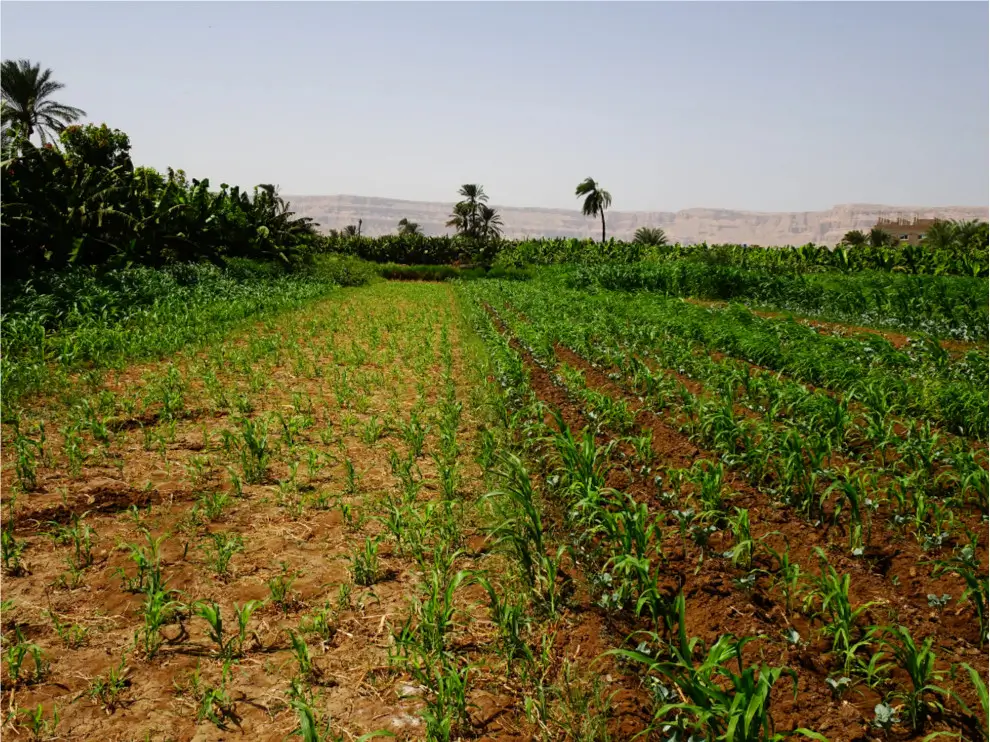
How Polyglutamic Acid Improves Soil Structure
Polyglutamic acid helps to bind soil particles together, creating a more stable and porous soil structure. This allows water to penetrate deeper into the soil rather than running off the surface. The improved aggregation also prevents soil compaction, which can reduce water infiltration and root growth. By enhancing soil structure, Polyglutamic acid ensures that water is held in the soil longer, making it available to plants during drought conditions.
Improved soil structure not only benefits water retention but also supports better root development and increased microbial activity, both of which are crucial for crop health.
4. Reduces Plant Stress During Water Deficit
Water stress can significantly impact crop growth and yield. During periods of drought, plants often experience reduced metabolic functions and inhibited growth. Polyglutamic acid helps mitigate the adverse effects of water stress by improving water use efficiency and supporting overall plant health.
How Polyglutamic Acid Reduces Plant Stress
Polyglutamic acid supports plants in maintaining optimal hydration levels, reducing the negative effects of water scarcity. It acts as a natural water reservoir, allowing crops to better manage their water resources during dry spells. In addition, Polyglutamic acid helps in the synthesis of plant hormones that are involved in stress tolerance, helping crops better adapt to unfavorable environmental conditions.
By reducing plant stress, Polyglutamic acid improves overall plant vitality and productivity, allowing crops to endure droughts with minimal damage. This leads to improved yield and better crop quality, even in water-limited environments.
Conclusion
Polyglutamic acid is a powerful tool for enhancing drought resistance in crops. By improving water retention, stimulating root growth, enhancing soil structure, and reducing plant stress, Polyglutamic acid offers a sustainable solution to one of agriculture’s most pressing challenges—water scarcity. As global water resources become increasingly strained, the integration of Polyglutamic acid into agricultural practices can help farmers maintain healthy crops and improve productivity, even in the face of drought conditions.