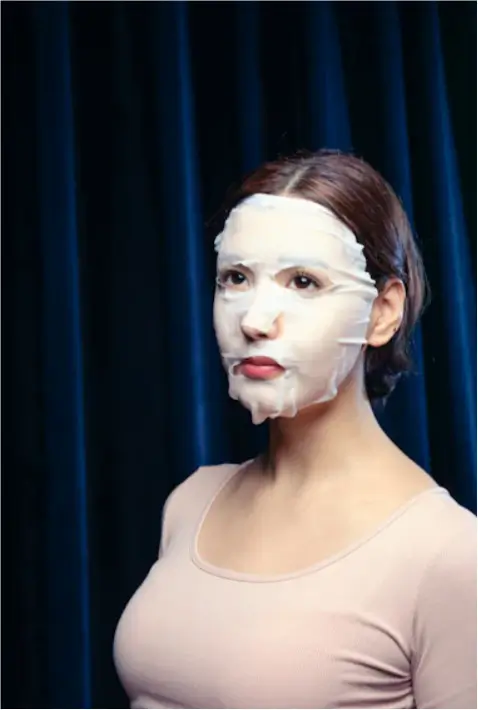
Is Dimethyl Isosorbide Safe for Skin and Pharmaceutical Use?
As formulation standards continue to rise in both cosmetic and pharmaceutical industries, ingredient safety has become just as important as performance. Dimethyl Isosorbide (DMI), widely used as a high-performance solvent, is often evaluated not only for its solvency power but also for its skin safety and pharmaceutical suitability.
This article examines whether Dimethyl Isosorbide is safe for skin contact and pharmaceutical use, focusing on toxicological profile, skin tolerance, regulatory acceptance, and real-world formulation experience.
1. Why Safety Evaluation Matters for Solvents
In both cosmetics and pharmaceuticals, solvents are present throughout a product’s lifecycle—from manufacturing to consumer use. Unlike inactive excipients, solvents can influence:
- Skin irritation and sensitization
- Active ingredient delivery and absorption
- Long-term exposure safety
- Regulatory approval and market access
As a result, solvent safety is no longer assumed; it must be demonstrated.
2. What Is Dimethyl Isosorbide (DMI)?
Dimethyl Isosorbide is a bio-based solvent derived from glucose through sorbitol and isosorbide intermediates. Its cyclic chemical structure provides high stability and controlled polarity, making it suitable for dissolving a wide range of active ingredients.
Unlike many conventional solvents, DMI was developed specifically to address performance limitations while maintaining a strong safety profile.
3. Skin Safety and Tolerance
Low Irritation Potential
Multiple formulation studies and industry usage data show that DMI exhibits low skin irritation potential, even in leave-on cosmetic products. It does not disrupt the skin barrier when used within recommended concentrations.
Non-Sensitizing Characteristics
DMI is considered non-sensitizing, making it suitable for products designed for:
- Sensitive skin
- Dermatological applications
- Long-term or repeated use
This differentiates DMI from some traditional solvents, such as propylene glycol, which may cause irritation at higher use levels.
4. Penetration Enhancement Without Barrier Damage
One concern with penetration enhancers is their potential to compromise skin integrity. DMI offers a balanced approach.
- Enhances delivery of active ingredients
- Improves bioavailability
- Maintains skin barrier function
Because of this controlled penetration behavior, DMI is frequently selected for high-efficacy cosmetic formulations where safety cannot be compromised.
5. Pharmaceutical Safety Considerations
In pharmaceutical applications, excipient safety requirements are even more stringent.
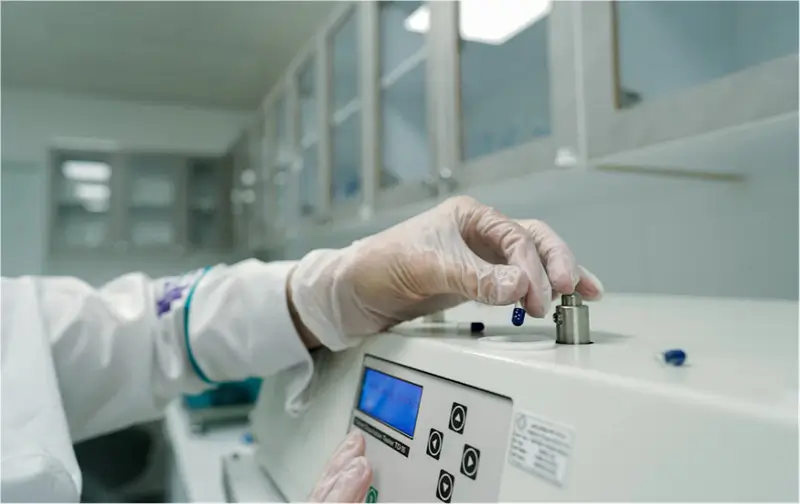
DMI demonstrates:
- Chemical and thermal stability
- Predictable behavior in topical and transdermal systems
- Compatibility with a wide range of APIs
These properties support its use as a solvent and carrier in pharmaceutical and dermatological formulations, where consistency and reproducibility are essential.
For formulators seeking a reliable excipient, Dimethyl Isosorbide (DMI) is widely regarded as a technically sound option.
6. Toxicological Profile Overview
From a toxicological standpoint, DMI is characterized by:
- Low acute toxicity
- Favorable chronic exposure profile
- Minimal systemic risk when used appropriately
This makes DMI suitable for products involving direct skin contact or localized pharmaceutical delivery, provided standard formulation guidelines are followed.
7. Regulatory Acceptance and Compliance
DMI(Dimethyl Isosorbide) is broadly accepted across major regulatory frameworks relevant to cosmetics and pharmaceuticals.
Key advantages include:
- Acceptance in global cosmetic regulations
- Use in regulated pharmaceutical systems
- Alignment with modern excipient safety expectations
This regulatory reliability reduces development risk and accelerates product approval timelines.
8. Comparison With Traditional Solvents
When compared with traditional solvents such as ethanol or propylene glycol, DMI offers a superior balance of:
- Safety
- Performance
- Skin compatibility
While conventional solvents may still be suitable for basic formulations, DMI is increasingly chosen for premium, sensitive-skin, and pharmaceutical-grade products.
9. Practical Use Levels and Formulation Guidance
DMI is typically used at controlled levels optimized for:
- Solubility enhancement
- Active delivery
- Safety margins
Formulators can often achieve desired performance with lower solvent concentrations, further reducing irritation risk.
10. Conclusion: Is DMI Safe for Skin and Pharmaceutical Use?
Based on extensive industry use, safety evaluations, and regulatory acceptance, Dimethyl Isosorbide is considered safe for both skin contact and pharmaceutical applications.
Its low irritation profile, non-sensitizing nature, controlled penetration behavior, and excellent stability make DMI(Dimethyl Isosorbide) a trusted solvent in modern cosmetic and pharmaceutical formulation design.
For manufacturers seeking a solvent that delivers both performance and safety, DMI remains one of the most reliable options available.