What Are Diazolidinyl Urea + IPBC and How Do They Work?
Introduction
In the ever-evolving world of cosmetics and personal care, ensuring product safety and shelf-life stability is essential for both consumers and manufacturers. One of the most commonly used preservative systems in cosmetic formulations today is Diazolidinyl Urea and Iodopropynyl Butylcarbamate (IPBC). These two ingredients work together to provide broad-spectrum antimicrobial protection, preventing the growth of bacteria, molds, and yeast in cosmetic products. In this article, we will dive deep into the science behind Diazolidinyl Urea + IPBC, exploring their mechanism of action, benefits, applications, and how they contribute to the safety and longevity of your cosmetic formulations.
What Is Diazolidinyl Urea?
Diazolidinyl Urea is a preservative commonly used in cosmetic formulations to inhibit microbial growth. It functions as a broad-spectrum antimicrobial agent, preventing the growth of various bacteria, fungi, and molds that could spoil cosmetic products. Diazolidinyl Urea is a water-soluble compound and is often used in lotions, creams, and shampoos due to its ability to provide extended shelf life and maintain product stability.
It works by slowly releasing formaldehyde over time, which acts as the active antimicrobial component. While formaldehyde can be a concern in large amounts, Diazolidinyl Urea releases it in small, controlled doses, reducing potential risks while effectively preserving the product.
What Is Iodopropynyl Butylcarbamate (IPBC)?
Iodopropynyl Butylcarbamate, or IPBC, is another widely used preservative that provides broad-spectrum protection against bacteria and fungi in cosmetic products. IPBC is particularly effective in formulations that are exposed to moisture, such as lotions, shampoos, and creams.
Unlike Diazolidinyl Urea, which releases formaldehyde to kill microorganisms, IPBC works by disrupting the cellular functions of microorganisms. It acts on the cell membrane, inhibiting cell division and causing microbial death. IPBC is also known for its ability to prevent fungal growth, making it a common choice for products like anti-dandruff shampoos and mildew-resistant formulations.
How Do Diazolidinyl Urea + IPBC Work Together?
When used together, Diazolidinyl Urea + IPBC form a powerful preservative system that provides comprehensive protection against a wide range of microorganisms. The combination of these two active ingredients enhances the preservative efficacy and extends the shelf life of cosmetic products.
- Diazolidinyl Urea ensures long-lasting protection by releasing formaldehyde, which acts as a microbiocidal agent over time. This helps preserve products for a longer period.
- IPBC complements this by providing fungicidal and bactericidal properties, preventing the growth of yeast and fungi that may be resistant to traditional preservatives.
Together, these two preservatives create a synergistic effect, enhancing the overall performance and durability of cosmetic products without compromising safety. This makes the combination ideal for use in a variety of formulations, including those with high water content or those that are prone to microbial contamination.
Benefits of Diazolidinyl Urea + IPBC in Cosmetic Formulations
- Broad-Spectrum Antimicrobial Protection
The primary benefit of using Diazolidinyl Urea + IPBC is their ability to provide comprehensive protection against a wide variety of microorganisms, including bacteria, molds, and yeasts. This makes them highly effective in preserving the integrity of skincare, haircare, and personal care products. - Increased Shelf Life
One of the most important aspects of a cosmetic product is its shelf life. Diazolidinyl Urea + IPBC prevent spoilage and degradation of formulations, allowing products to remain effective and safe for longer periods of time. This is especially important for manufacturers in the competitive cosmetics industry, where maintaining product quality over time is key. - Compatibility with Various Formulations
These preservatives are compatible with a wide range of cosmetic formulations, including emulsions, lotions, shampoos, creams, and even make-up products. They can be used in both water-based and oil-based formulations, offering flexibility for manufacturers. - Safety and Effectiveness
Both Diazolidinyl Urea and IPBC have been extensively tested and are recognized as safe and effective preservatives when used at the recommended concentrations. They help ensure that the product remains free of harmful microorganisms without compromising the safety or integrity of the formulation. - Cost-Effective
Using a combination of these two preservatives can be a cost-effective solution for manufacturers. The synergistic effect of Diazolidinyl Urea and IPBC means that lower concentrations of each ingredient are needed, reducing the overall cost of preservation without sacrificing efficacy.
Applications of Diazolidinyl Urea + IPBC in Cosmetics
Diazolidinyl Urea + IPBC are commonly found in a variety of cosmetic and personal care products. Their applications include:
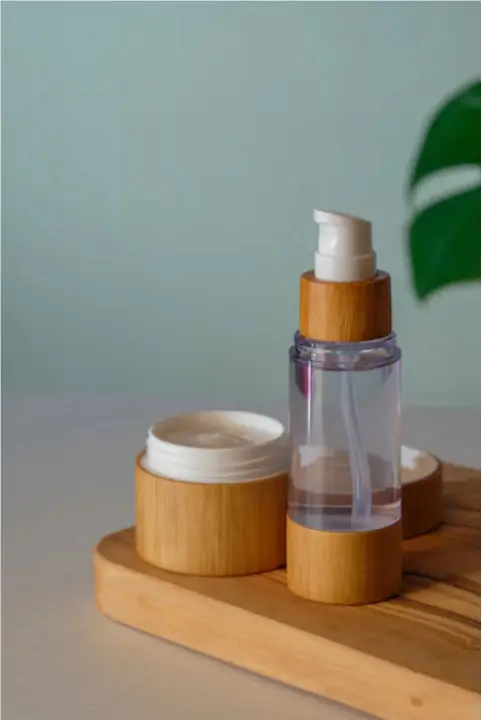
- Skincare Products: Moisturizers, anti-aging serums, and sunscreens benefit from the preservative action of these ingredients, helping prevent microbial contamination in water-based formulations.
- Hair Care Products: Shampoos, conditioners, and styling products are prone to microbial contamination due to high moisture content, making these preservatives an essential ingredient.
- Personal Care Products: Lotions, body washes, and deodorants often incorporate Diazolidinyl Urea + IPBC to maintain their integrity and prevent microbial growth.
- Makeup: Foundations, mascaras, and other cosmetic makeup products rely on these preservatives to ensure they remain safe and effective for long periods.
Regulatory Status of Diazolidinyl Urea + IPBC
Diazolidinyl Urea + IPBC are both approved for use in cosmetic products by major regulatory bodies, including the U.S. Food and Drug Administration (FDA), the European Medicines Agency (EMA), and Health Canada. However, it is important for manufacturers to use these preservatives at the recommended concentrations to ensure product safety and regulatory compliance.
The FDA and EMA both have strict regulations regarding the maximum allowable concentration of preservatives in cosmetic products, ensuring that the preservatives are used safely without causing irritation or adverse reactions.
Conclusion
Diazolidinyl Urea + Iodopropynyl Butylcarbamate (IPBC) form an effective and reliable preservative system in cosmetic and personal care formulations. By offering broad-spectrum antimicrobial protection, these preservatives help prevent contamination, extending the shelf life of products while maintaining safety and efficacy. Their compatibility with a wide range of formulations, combined with their cost-effectiveness, makes them an ideal choice for manufacturers seeking reliable preservation solutions.
For B2B cosmetic buyers, ensuring that your products are safely preserved is paramount. Understanding the science behind preservatives like Diazolidinyl Urea + IPBC is crucial for choosing the right preservative system for your product lines. By incorporating this dual-preservative solution, manufacturers can ensure that their cosmetic products meet the highest standards of safety and quality.