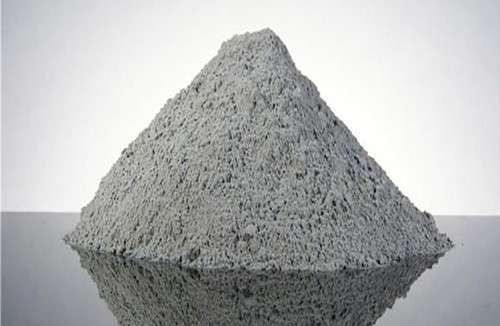
Polyaspartic Acid in Oilfield Chemical Formulations
Introduction: Why the Oil & Gas Industry Needs Greener Chemical Solutions
Oilfield operations face increasingly complex challenges: high salinity produced water, elevated temperatures, strict environmental regulations, and rising operational costs. Traditional oilfield chemicals—especially phosphonate-based scale inhibitors and synthetic polymers—have delivered performance but often at the expense of poor biodegradability, environmental persistence, and regulatory pressure.
This has driven the industry to seek high-performance yet environmentally responsible alternatives. Among these, polyaspartic acid (PASP) and its sodium salt form, polyaspartic acid sodium salt (PASP-Na), have emerged as next-generation green polymers for oilfield chemical formulations.
What Is Polyaspartic Acid (PASP)?
Polyaspartic acid is a biodegradable polyamino acid polymer synthesized from L-aspartic acid. Unlike conventional acrylic or phosphorous-containing polymers, PASP features:
- A natural amino acid backbone
- Abundant carboxyl functional groups
- Excellent chelation and dispersing capability
- High biodegradability with low environmental impact
The sodium salt form, PASP-Na, is water-soluble and widely used in industrial formulations due to its enhanced stability and ease of handling.
👉 Industrial-grade Polyaspartic Acid Sodium Salt (PASP-Na) is specifically engineered for demanding applications such as oilfield water treatment and scale control.
Key Challenges in Oilfield Chemical Formulations
Before examining PASP’s role, it’s important to understand the core problems oilfield chemicals must solve:
1. Scale Formation
Calcium carbonate, calcium sulfate, barium sulfate, and strontium sulfate scales reduce permeability, clog pipelines, and damage equipment.
2. Harsh Operating Conditions
High temperatures (up to 150–200°C), high TDS brines, and extreme pH environments require chemically robust additives.
3. Environmental Regulations
Increasing restrictions on phosphorus-containing and poorly biodegradable chemicals push operators toward greener chemistries.
4. Compatibility Issues
Oilfield formulations must remain compatible with corrosion inhibitors, biocides, demulsifiers, and surfactants.
PASP-Na addresses all these challenges simultaneously.
Role of Polyaspartic Acid in Oilfield Chemical Formulations
1. Scale Inhibition Performance
Polyaspartic acid functions as an efficient threshold scale inhibitor, preventing crystal nucleation and growth even at low dosages.
Mechanism of action:
- Chelates Ca²⁺, Ba²⁺, Sr²⁺ ions
- Distorts crystal lattice formation
- Disperses microcrystals before agglomeration
Compared with phosphonates (ATMP, HEDP), PASP-Na offers:
- Comparable inhibition efficiency
- Superior biodegradability
- Reduced environmental footprint
2. Excellent Calcium Tolerance
One of PASP’s defining advantages is its high calcium ion tolerance, even under high-temperature, high-salinity conditions. This makes PASP-Na especially suitable for:
- Offshore oilfields
- High-hardness produced water systems
- Secondary and tertiary recovery operations
3. Corrosion Inhibition Synergy
While PASP is not a primary corrosion inhibitor, it acts as a synergistic component by:
- Forming a protective adsorption layer on metal surfaces
- Reducing scale-induced under-deposit corrosion
- Enhancing the efficiency of conventional corrosion inhibitors
This synergy allows formulators to reduce total chemical dosage while maintaining protection.
4. Dispersing Agent for Suspended Solids
PASP-Na performs exceptionally well as a dispersant, keeping iron oxides, clay particles, and suspended solids evenly distributed in water systems.
Benefits include:
- Reduced sludge formation
- Improved injection water quality
- Lower risk of formation damage
PASP-Na vs Traditional Oilfield Polymers
| Property | PASP-Na | Phosphonates | Polyacrylates |
|---|---|---|---|
| Biodegradability | Excellent | Poor | Moderate |
| Phosphorus-Free | Yes | No | Yes |
| Calcium Tolerance | High | Moderate | Limited |
| Environmental Compliance | High | Low | Medium |
| Thermal Stability | Good | Excellent | Good |
This balance of performance + sustainability makes PASP-Na a strategic choice for modern oilfield chemical programs.
Environmental and Regulatory Advantages
Governments and oil majors increasingly require chemicals that meet OECD biodegradability standards and minimize aquatic toxicity.
Polyaspartic acid offers:
- Rapid biodegradation into harmless amino acid derivatives
- No phosphorus contribution (no eutrophication risk)
- Compliance with green chemistry initiatives
These attributes position PASP-Na as a future-proof oilfield additive.
Formulation Compatibility and Application Flexibility
PASP-Na integrates smoothly into various oilfield formulations, including:
- Scale inhibitor packages
- Injection water treatment chemicals
- Produced water management systems
- Enhanced oil recovery (EOR) fluids
It remains stable across a wide pH range and shows excellent compatibility with:
- Zinc salts
- Phosphonates (for hybrid systems)
- Non-ionic and anionic surfactants
Typical Dosage and Usage Guidelines
While dosage depends on water chemistry and operating conditions, PASP-Na typically performs effectively at 2–10 mg/L, often lower than conventional inhibitors.
Field trials consistently demonstrate:
- Reduced scaling tendency
- Improved system cleanliness
- Lower total chemical consumption
Why Choose Industrial-Grade PASP-Na from a Reliable Supplier?
Not all PASP products are created equal. Molecular weight distribution, sodium content, and impurity control directly affect field performance.
A professional-grade Polyaspartic Acid Sodium Salt (PASP-Na) offers:
- Consistent molecular weight control
- High purity and solubility
- Batch-to-batch stability
- Full technical documentation (TDS, MSDS)
This consistency is critical for oilfield operators and chemical formulators working at scale.
Future Outlook: PASP in Sustainable Oilfield Chemistry
As the oil & gas industry transitions toward lower environmental impact operations, PASP-Na is expected to play a larger role in:
- Green scale inhibitor programs
- Phosphorus-free water treatment systems
- Environmentally acceptable offshore chemicals (EACs)
Its combination of technical performance, biodegradability, and regulatory alignment makes polyaspartic acid one of the most promising polymers in oilfield chemistry.
Conclusion
Polyaspartic acid sodium salt (PASP-Na) represents a strategic evolution in oilfield chemical formulations. By delivering effective scale inhibition, excellent dispersing ability, and strong environmental credentials, PASP-Na bridges the gap between performance and sustainability.
For oilfield service companies, chemical formulators, and operators seeking a high-performance green alternative, PASP-Na is no longer optional—it is essential.