Understanding the Biodegradability of PASP-Na: A Green Polymer Innovation
As sustainability becomes a core requirement across agriculture, water treatment, detergents, and industrial chemicals, manufacturers are actively replacing traditional non-degradable polymers with biodegradable, regulation-friendly alternatives. Among these emerging materials, PASP-Na (Sodium Polyaspartate) has gained strong attention as a next-generation green polymer.
This article explains why PASP-Na is truly biodegradable, how its degradation mechanism works, and why it is increasingly adopted as an EDTA and acrylic polymer alternative in environmentally responsible formulations.
What Is PASP-Na (Sodium Polyaspartate)?
PASP-Na, also known as Sodium Polyaspartate, is the sodium salt of polyaspartic acid—an anionic polymer synthesized from aspartic acid, a naturally occurring amino acid.
From a functional and sustainability perspective, PASP-Na stands out as a biodegradable chelating and dispersing polymer used across multiple industrial sectors.
👉 Product reference (bulk & B2B supply):
Polyaspartic Acid Sodium Salt (PASP-Na) Supplier
https://waycoochem.com/polyaspartic-acid-sodium-salt-supplier/
Key characteristics of PASP-Na:
- Water-soluble anionic polymer
- Strong chelation of Ca²⁺, Mg²⁺, Fe³⁺
- Excellent scale inhibition and dispersion
- High compatibility with alkaline systems
- Environmentally benign degradation profile
Why Biodegradability Is Critical for Modern Polymers
Traditional synthetic polymers such as acrylic polymers and EDTA offer strong performance—but suffer from serious environmental drawbacks:
- Poor biodegradability
- Long-term persistence in soil and water
- Risk of heavy metal remobilization
- Increasing regulatory pressure
As a result, biodegradable polymers like PASP-Na are becoming preferred choices in industries where environmental fate and regulatory compliance matter as much as performance.
The Biodegradation Mechanism of PASP-Na
1. Peptide-Like Backbone Enables Microbial Degradation
The core reason PASP-Na is biodegradable lies in its molecular structure.
- PASP-Na contains amide (–CONH–) linkages
- These bonds resemble those found in natural proteins
- Soil and aquatic microorganisms can enzymatically cleave them
Unlike vinyl-based polymers, PASP-Na is recognized by microbial enzymes, allowing natural breakdown.
2. Environmentally Safe Degradation Products
During biodegradation, PASP-Na is converted into:
- Short-chain polyaspartates
- Free aspartic acid
- Inorganic salts
Aspartic acid is:
- Naturally present in living systems
- Non-toxic
- Easily assimilated into biological nitrogen cycles
This means PASP-Na does not form persistent or harmful residues.
3. Alignment with OECD Biodegradability Concepts
Under environmental conditions such as:
- Soil
- Activated sludge
- Aquatic systems
PASP-Na undergoes:
- Primary biodegradation (loss of polymer function)
- Ultimate biodegradation (conversion to CO₂, H₂O, and biomass)
This places PASP-Na firmly within internationally accepted biodegradable polymer classifications.
PASP-Na vs Conventional Chelating Polymers
| Property | PASP-Na | Acrylic Polymers | EDTA |
|---|---|---|---|
| Biodegradability | Excellent | Poor | Very low |
| Environmental persistence | Low | High | Very high |
| Metal chelation control | Balanced | Limited | Aggressive |
| Heavy metal remobilization | Low risk | Moderate | High |
| Regulatory pressure | Low | Increasing | High |
Conclusion: PASP-Na achieves high functionality without long-term ecological burden.
High Performance Without Environmental Compromise
A common misconception is that biodegradable polymers sacrifice performance. PASP-Na proves otherwise.
It delivers:
- Efficient scale inhibition in hard water systems
- Stable chelation under alkaline conditions
- Strong dispersion of inorganic solids
- Compatibility with fertilizers, detergents, and water systems
This balance makes PASP-Na suitable for industrial-scale applications, not just niche eco-products.
Application Areas Benefiting from PASP-Na Biodegradability
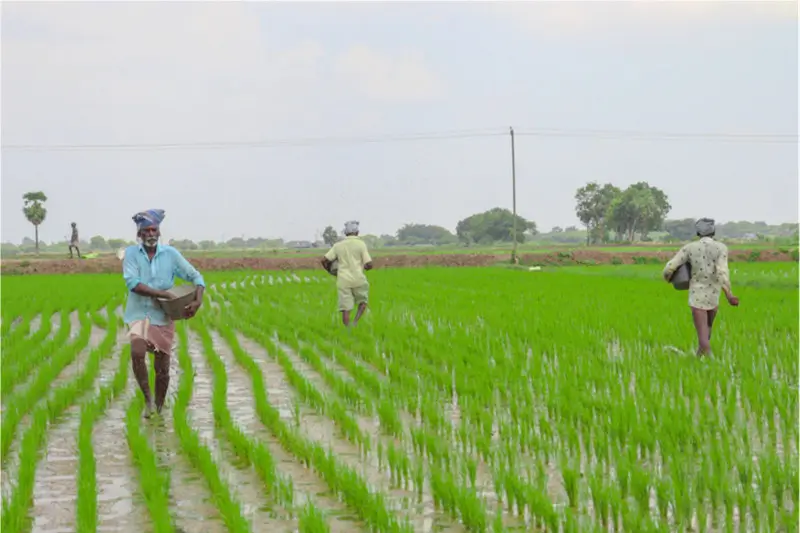
Agriculture
- Fertilizer synergist
- Micronutrient chelation
- Soil conditioning
Biodegradability ensures:
- No polymer accumulation in soil
- Improved nutrient availability
- Long-term soil health
Water Treatment
- Scale inhibitor
- Dispersant
- Chelating agent
Using PASP-Na helps reduce:
- Persistent organic load in wastewater
- Environmental discharge risk
- Compliance complexity
Detergents & Industrial Cleaning
- Builder
- Anti-redeposition agent
- Water softening component
PASP-Na supports:
- Phosphate-free formulations
- Eco-label requirements
- Safer effluent profiles
Sustainability, Compliance, and ESG Alignment
Because PASP-Na is:
- Biodegradable
- Non-toxic
- Amino-acid–based
- Phosphate-free
It aligns well with:
- Global environmental regulations
- EDTA substitution strategies
- Corporate ESG and sustainability goals
For manufacturers, this means future-proof formulations with lower regulatory risk.
Why PASP-Na Is a True Green Polymer Innovation
PASP-Na is not simply “less harmful”—it represents a fundamentally different design philosophy in polymer chemistry:
- Performance-driven
- Biologically compatible
- Environmentally degradable
- Industrially scalable
This combination explains why Sodium Polyaspartate is increasingly adopted worldwide as a core green polymer.
Final Thoughts
Understanding the biodegradability of PASP-Na highlights a clear industry direction:
High-performance polymers must work with natural systems, not persist against them.
For companies seeking sustainable, regulation-ready, and technically reliable polymer solutions, PASP-Na offers a proven and practical path forward.