What Is Polyepoxysuccinic Acid (PESA) and How Does It Work?
In recent years, there has been growing interest in the use of eco-friendly and sustainable chemicals across various industries. One such compound gaining attention for its versatile applications is Polyepoxysuccinic Acid (PESA). This innovative biodegradable polymer is emerging as a key player in a range of industries, including water treatment, detergents, and textiles.
In this article, we will explore what Polyepoxysuccinic Acid (PESA) is, its chemical structure, and how it works in various industrial applications. Additionally, we will discuss the benefits and advantages of PESA, particularly in relation to its environmental impact and functionality.
What Is Polyepoxysuccinic Acid (PESA)?
Polyepoxysuccinic Acid (PESA) is a polymeric acid that is produced by the polymerization of epoxysuccinic acid, which is derived from succinic acid (a naturally occurring compound). It is characterized by its epoxy group (-C-O-C-) attached to the succinic acid backbone. The epoxy group in the structure is particularly important for its chelation capabilities and makes PESA effective in a range of applications, especially those requiring metal ion sequestration.
PESA is a biodegradable and environmentally friendly polymer, which makes it an attractive alternative to traditional phosphates and polycarboxylates often used in industrial processes. It has been gaining traction as a sustainable and effective solution to reduce the environmental impact of various industries.
Chemical Structure of Polyepoxysuccinic Acid (PESA)
The chemical structure of Polyepoxysuccinic Acid consists of the following components:
- Succinic Acid Backbone: Succinic acid is a dicarboxylic acid that forms the core structure of PESA. This structure provides the polymer with the ability to bind to metal ions and interact with other chemical components in solution.
- Epoxy Group: The presence of the epoxy group (-C-O-C-) attached to the succinic acid unit is a key feature of PESA. This group allows PESA to act as a chelating agent, making it effective in preventing the formation of scale and corrosion by binding with metal ions in industrial systems.
- Polymerization: PESA is formed through the polymerization of epoxysuccinic acid, resulting in long-chain molecules. These chains provide stability and enhance the polymer’s performance in various applications, including water treatment and cleaning formulations.
How Does Polyepoxysuccinic Acid (PESA) Work?
PESA’s effectiveness comes from its chelation and dispersion properties, which allow it to bind with metal ions and prevent the formation of unwanted deposits in various systems. Here’s how PESA works in different contexts:
1. Chelation of Metal Ions
The primary function of Polyepoxysuccinic Acid is its ability to chelate metal ions, such as calcium, magnesium, iron, and other divalent cations. These metal ions are often responsible for the formation of scale in industrial systems, such as boilers, cooling towers, and water treatment facilities. By binding to these metal ions, PESA prevents them from forming insoluble compounds and precipitating out of solution.
- How it works: The epoxy group in PESA interacts with metal ions, forming stable chelation complexes. This process helps to suspend metal ions in solution, making it easier for water systems to function without the buildup of scale.
2. Scale Inhibition
PESA is highly effective at preventing the formation of scale in water treatment systems. Scale buildup, often caused by calcium carbonate and calcium sulfate, can impair the efficiency of heat exchangers, boilers, and cooling systems, leading to increased energy consumption and costly maintenance. By preventing the precipitation of these compounds, PESA helps maintain optimal system performance.
- How it works: By binding to metal ions such as calcium and magnesium, PESA prevents these ions from combining to form scale. This keeps the system free of mineral deposits and ensures better heat transfer and water flow.
3. Corrosion Inhibition
In addition to scale inhibition, PESA also plays a role in corrosion prevention. Corrosion is a major issue in industrial water systems, particularly in pipes and metal surfaces exposed to water with high mineral content. By chelating metal ions and stabilizing them in solution, PESA reduces the chances of metal surfaces oxidizing and corroding.
- How it works: PESA creates a protective barrier on metal surfaces by preventing the metal from reacting with water, oxygen, and other corrosive substances. This protects the integrity of equipment and prolongs its lifespan.
4. Water Softening
Because of its ability to bind to hard water ions, Polyepoxysuccinic Acid is also used in water softening applications. Hard water contains high levels of calcium and magnesium ions, which can cause buildup on surfaces and reduce the effectiveness of soaps and detergents.
- How it works: PESA binds to these hard water ions, preventing them from precipitating out and forming scale. This makes water softer and improves the performance of cleaning agents, soaps, and detergents.
Applications of Polyepoxysuccinic Acid (PESA)
Polyepoxysuccinic Acid has found applications in several industries due to its chelation, scale inhibition, and corrosion protection properties. Some of the key industries and applications include:
1. Water Treatment
In industrial water treatment, PESA is used to prevent scale formation in boilers, cooling towers, and pipes. It also helps to reduce corrosion in these systems, making it an ideal alternative to traditional chemicals like phosphates and polyphosphates.
- How it helps: PESA’s ability to bind with metal ions and prevent scale buildup keeps water systems running efficiently, reducing the need for frequent maintenance and improving system longevity.
2. Detergents and Cleaners
PESA is used as a dispersant and scale inhibitor in detergents and industrial cleaners. It enhances the cleaning power of detergents by preventing the deposition of minerals and improving the performance of the cleaning agents.
- How it helps: By binding to hard water ions and preventing them from reacting with cleaning agents, PESA ensures better cleaning efficiency and reduces mineral buildup in washing machines, dishwashers, and industrial cleaning systems.
3. Textile Industry
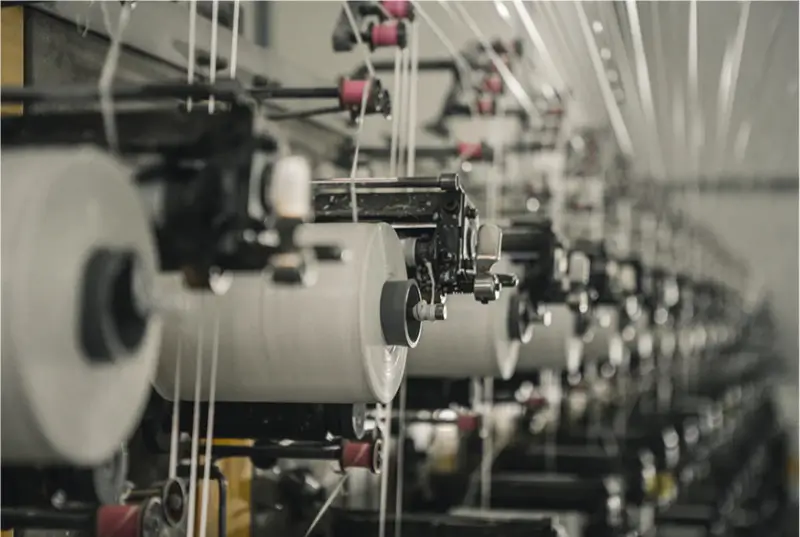
In the textile industry, PESA is used to treat water used in dyeing and finishing processes. It prevents the formation of scale and helps maintain the efficiency of water-based processes.
- How it helps: PESA helps reduce the hardness of water, ensuring that the dyeing process is efficient and that the equipment remains free of scale.
4. Oil and Gas Industry
In the oil and gas industry, PESA is used as a corrosion inhibitor and scale remover in drilling fluids and production systems. Its ability to prevent the precipitation of minerals and protect metal surfaces from corrosion makes it a valuable additive in these processes.
- How it helps: PESA helps maintain the integrity of drilling equipment, reducing the risk of failure and the need for maintenance.
Advantages of Polyepoxysuccinic Acid (PESA)
- Biodegradable: PESA is a biodegradable polymer, which means it breaks down naturally and does not contribute to long-term environmental pollution.
- Non-Toxic: PESA is non-toxic, making it safe for use in various industries, including water treatment and personal care products.
- Effective Chelator: PESA’s ability to chelate metal ions makes it highly effective in preventing scale formation and corrosion.
- Sustainable: PESA is derived from renewable resources, making it an environmentally sustainable alternative to traditional industrial chemicals.
Conclusion
Polyepoxysuccinic Acid (PESA) is a highly effective, biodegradable polymer with significant applications in water treatment, detergents, textiles, and the oil and gas industry. Its unique ability to chelate metal ions, prevent scale formation, and protect against corrosion makes it an invaluable tool in improving the efficiency and longevity of industrial systems. With the added benefits of being non-toxic and environmentally friendly, PESA is positioning itself as a sustainable alternative to traditional industrial chemicals, helping industries achieve both performance and sustainability goals.