What is PBSA? Everything You Need to Know About This Eco-Friendly Polyester
In the world of sustainable materials, PBSA has been quietly making waves. If you’ve ever wondered how eco-friendly polyesters can combine performance with biodegradability, PBSA might just be the solution.
From textiles to packaging, PBSA is shaping the future of green materials—but what exactly is it, and why should brands and consumers care? Let’s break it down.
What Is PBSA?
PBSA stands for Polybutylene Succinate Adipate, a biodegradable copolyester derived from succinic acid, adipic acid, and 1,4-butanediol.
In simple terms: PBSA is a plant-based, compostable polyester that offers mechanical performance similar to conventional plastics, but without the long-term environmental impact. It’s a versatile material that balances strength, flexibility, and biodegradability, making it ideal for a variety of applications.
Why PBSA Matters
Traditional polyesters, like PET, dominate the textile and packaging industries—but they are not biodegradable, contributing to microplastic pollution and landfill accumulation. PBSA offers a greener alternative:
- Biodegradability: Breaks down into water and CO₂ under industrial composting conditions.
- Renewable resources: Produced from bio-based feedstocks instead of petroleum.
- Performance: Flexible, durable, and processable with conventional plastic equipment.
This combination makes PBSA a game-changer for eco-conscious brands and consumers seeking sustainable materials.
Key Benefits of PBSA
1. Eco-Friendly and Biodegradable
PBSA decomposes under composting conditions in months rather than decades, unlike traditional polyesters. This helps reduce plastic pollution and aligns with circular economy principles.
2. Durable and Flexible
Despite being biodegradable, PBSA is strong, resilient, and resistant to heat, making it suitable for:
- Packaging films and bags
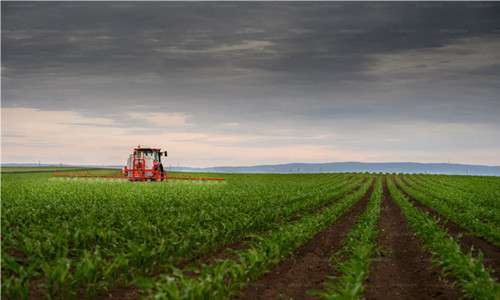
- Agricultural mulch films
- Textile fibers and nonwovens
3. Compatible with Blends
PBSA can be blended with other biodegradable polyesters like PLA or PBS, enabling designers to adjust softness, flexibility, or barrier properties for specific applications.
4. Processable with Conventional Equipment
PBSA can be extruded, injection-molded, or spun into fibers using standard industrial processes, reducing the need for expensive new machinery.
Applications of PBSA
- Textiles – Soft, biodegradable fibers for clothing, home textiles, and nonwovens.
- Packaging – Compostable bags, food packaging films, and disposable items.

- Agriculture – Mulch films that break down naturally after the growing season, eliminating plastic waste.
- 3D Printing & Bioplastics – PBSA filaments for eco-friendly prototyping and disposable products.
FAQ About PBSA
Q1: Is PBSA truly biodegradable?
Yes. PBSA biodegrades under industrial composting conditions, breaking down into harmless water and carbon dioxide.
Q2: Can PBSA replace conventional polyester?
In many applications, yes. PBSA mimics the mechanical properties of traditional polyester while offering the added benefit of biodegradability.
Q3: Is PBSA safe for food contact?
Yes. PBSA can be formulated to meet food safety regulations, making it suitable for packaging applications.
Q4: Can PBSA be used in textiles?
Absolutely. PBSA fibers can be blended or spun into durable, eco-friendly fabrics for apparel and nonwovens.
Q5: How does PBSA reduce environmental impact?
By being biodegradable and derived from renewable resources, PBSA reduces plastic pollution, landfill waste, and reliance on petroleum-based plastics.
Q6: Can PBSA be processed with existing plastic equipment?
Yes. PBSA can be extruded, injection-molded, and spun using conventional machinery, minimizing production costs.
Q7: How long does PBSA take to biodegrade?
Under industrial composting conditions, PBSA typically decomposes within 6–12 months, depending on thickness and environmental factors.
Q8: Can PBSA fibers be blended with PLA or other biodegradable polymers?
Yes. PBSA can be blended with PLA (Polylactic Acid) or PBS, allowing manufacturers to tune flexibility, softness, and strength for specific textile or packaging applications. Blends also optimize biodegradation and mechanical performance.
Q9: Is PBSA suitable for food-grade packaging films?
Absolutely. PBSA can meet food contact safety standards, making it suitable for compostable bags, films, and containers for dry and wet foods.
Q10: Can PBSA reduce microplastic pollution in textiles and packaging?
Yes. Unlike traditional polyester and nylon, PBSA is biodegradable, meaning it breaks down naturally under industrial composting conditions instead of persisting as microplastics in the environment.
Q11: How does PBSA support a circular economy?
PBSA contributes to circular fashion and packaging by being:
- Biodegradable under controlled composting
- Recyclable and thermoplastically reprocessable
- Derived from renewable feedstocks, reducing dependency on petroleum
This allows products made from PBSA to return safely to the environment or be reused in production loops.
Q12: Can PBSA withstand high temperatures during processing?
Yes. PBSA has excellent thermal stability, making it compatible with extrusion, injection molding, and fiber spinning without degrading its mechanical properties.
Q13: Is PBSA suitable for agricultural applications?
Yes. PBSA is widely used in biodegradable mulch films and plant-support products, which decompose naturally after use, eliminating plastic residue in soil.
Q14: How long does PBSA take to biodegrade?
Under industrial composting conditions, PBSA typically decomposes within 6–12 months, depending on thickness, temperature, and microbial activity. This is significantly faster than conventional polyester or nylon.
Q15: Is PBSA environmentally friendly compared to conventional plastics?
Absolutely. PBSA is plant-derived, biodegradable, and compostable, reducing carbon footprint, microplastic pollution, and dependence on fossil fuels, making it a preferred choice for eco-conscious brands.
Q16: Can PBSA be dyed and finished like conventional textiles?
Yes. PBSA fibers are compatible with standard dyeing, printing, and finishing processes, allowing manufacturers to create colorful, functional, and sustainable fabrics.
Final Thoughts
PBSA is more than a biodegradable plastic—it’s a practical solution for sustainable manufacturing. By offering strength, flexibility, and compostability, PBSA empowers brands to reduce environmental impact while maintaining high-quality performance in textiles, packaging, and agricultural films.
As sustainability continues to drive innovation in materials, PBSA stands out as a versatile, eco-conscious alternative that meets the needs of both manufacturers and consumers.