Polyglutamic Acid: 6 Powerful Benefits for Improving Crop Growth
Polyglutamic acid (PGA) is becoming a revolutionary ingredient in sustainable agriculture. This naturally derived biopolymer offers a range of benefits for improving crop growth, from enhancing soil health to promoting nutrient uptake. By incorporating Polyglutamic acid into agricultural practices, farmers can achieve healthier plants, improved yields, and more resilient crops. In this article, we explore 6 powerful benefits of Polyglutamic acid for boosting crop growth.
1. Enhances Soil Structure for Better Root Development
The foundation of healthy plant growth lies in the soil. Soil structure directly affects root development, water retention, and nutrient availability. Polyglutamic acid improves soil aggregation by binding soil particles, resulting in better soil structure.
How Polyglutamic Acid Enhances Soil Structure
By improving soil aggregation, Polyglutamic acid reduces soil compaction and promotes better aeration, allowing roots to penetrate more easily. This not only helps with root growth but also enhances water retention and nutrient absorption. Stronger root systems lead to healthier, more robust plants.
2. Improves Water Retention for Optimal Crop Growth
Water is a vital component of plant growth, and without it, plants cannot properly absorb nutrients from the soil. Polyglutamic acid increases soil’s water retention capacity, ensuring that plants have a steady supply of moisture, even in dry conditions.
How Polyglutamic Acid Improves Water Retention
Polyglutamic acid’s hydrophilic properties allow it to retain water more effectively in the soil. This results in improved soil moisture, making it available to plants for longer periods. By enhancing water retention, Polyglutamic acid ensures that crops thrive without the need for frequent irrigation, leading to more efficient water use.
3. Boosts Nutrient Availability and Uptake
For plants to grow strong and healthy, they need access to essential nutrients like nitrogen, phosphorus, and potassium. Polyglutamic acid plays a key role in enhancing the availability of these nutrients by improving their solubility and uptake by plant roots.
How Polyglutamic Acid Enhances Nutrient Uptake
Polyglutamic acid helps to chelate essential nutrients in the soil, forming stable complexes that are easier for plants to absorb. By improving nutrient availability, Polyglutamic acid promotes healthier plant growth and higher yields. It also aids in reducing nutrient leaching, ensuring that plants get the maximum benefit from the nutrients in the soil.
4. Stimulates Root Growth and Development
The root system is vital for nutrient absorption and overall plant health. Polyglutamic acid stimulates root growth, helping plants develop a robust root system that can access more nutrients and water from the soil.
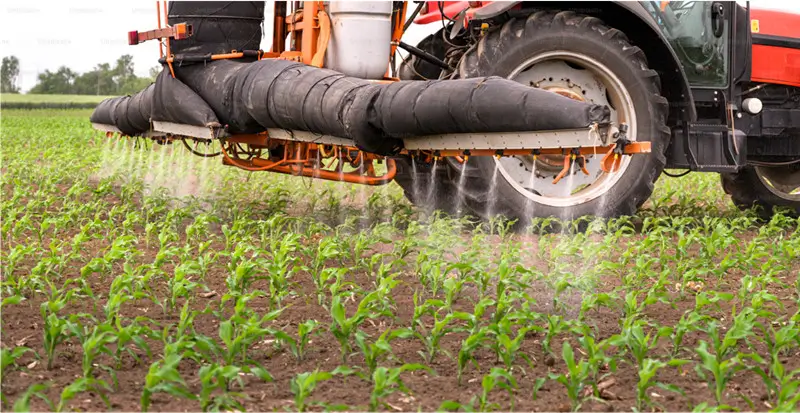
How Polyglutamic Acid Stimulates Root Growth
Polyglutamic acid increases root elongation and branching, creating a stronger and more extensive root network. This improves nutrient and water uptake, allowing plants to grow more efficiently. For farmers looking to enhance root growth, Polyglutamic acid is a valuable addition to their soil management practices.
5. Reduces Soil Salinity and Toxicity
Excessive salt levels and toxic compounds in the soil can hinder plant growth and nutrient absorption. Polyglutamic acid helps mitigate these issues by improving soil structure and enhancing water drainage.
How Polyglutamic Acid Mitigates Salinity and Toxicity
Polyglutamic acid promotes better water movement within the soil, allowing excess salts and toxins to be flushed out. This creates a more balanced soil environment, which allows plants to absorb nutrients more effectively and prevents the toxic buildup that can harm crops.
6. Enhances Soil Microbial Activity for Healthier Soil
Soil health is dependent on a thriving microbial community that helps break down organic matter and recycle nutrients. Polyglutamic acid enhances the activity of beneficial soil microbes, improving the overall health of the soil.
How Polyglutamic Acid Enhances Soil Microbial Activity
Polyglutamic acid serves as a food source for beneficial microbes, boosting their activity and encouraging a more diverse microbial ecosystem. This results in better nutrient cycling and improved soil fertility, ultimately benefiting crop growth. Healthier soil supports stronger plants and higher agricultural yields.
Conclusion
Polyglutamic acid is a powerful and sustainable solution for enhancing crop growth. By improving soil structure, increasing water retention, boosting nutrient uptake, and promoting root growth, Polyglutamic acid offers a variety of benefits that contribute to healthier, more resilient crops. Farmers looking to improve soil health and increase productivity will find Polyglutamic acid to be a valuable tool in their agricultural practices.