9 Advantages of Using Sodium Polyaspartate in Sugar Manufacturing
Introduction
In the quest for innovation and efficiency, the sugar industry is continuously evolving. Sodium Polyaspartate(PASP-NA), a biodegradable polymer, is emerging as a key player in enhancing sugar manufacturing processes. This article discusses nine advantages of using Sodium Polyaspartate in sugar production, showcasing its impact on quality, efficiency, and sustainability.
1. Superior Scale Control
One of the most prominent advantages of Sodium Polyaspartate is its ability to control scale formation in processing equipment. Scale can lead to increased maintenance costs and reduced efficiency. By preventing scale buildup, PASP-NA ensures smooth operations and lower energy consumption.
This superior scale control translates into enhanced equipment performance and longevity, making it a valuable asset for sugar manufacturers.
2. Enhanced Product Purity
Product purity is a top priority in sugar production. Sodium Polyaspartate improves the purification process by facilitating better filtration and preventing impurities from contaminating the syrup.
This enhancement results in a cleaner, more refined sugar product that meets consumer demands for quality and taste.
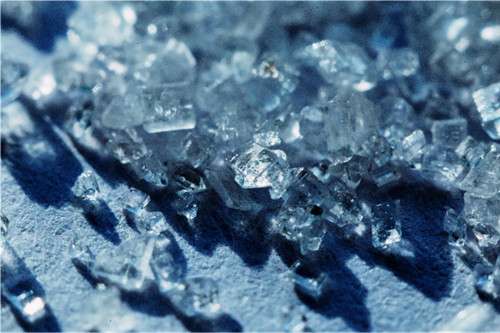
3. Increased Moisture Retention
Sodium Polyaspartate is known for its excellent moisture-retaining properties, which are crucial in sugar production. By retaining moisture, it helps maintain the texture and flavor of sugar products, ultimately improving their quality.
This advantage is particularly important in ensuring that sugar remains appealing and functional for consumers.
4. Reduced Energy Consumption
Energy efficiency is critical for sugar manufacturers looking to lower production costs. Sodium Polyaspartate contributes to reduced energy consumption by preventing scale and improving the efficiency of processing equipment.
By optimizing energy use, manufacturers can enhance profitability while minimizing their environmental impact.
5. Versatile Applications
The versatility of Sodium Polyaspartate allows for its use in various stages of sugar production. From refining to crystallization, this polymer can be integrated into multiple processes, providing flexibility and adaptability.
This versatility enables sugar manufacturers to tailor their operations to meet specific production needs, enhancing overall efficiency.
6. Eco-Friendly Solution
As sustainability becomes increasingly important, Sodium Polyaspartate stands out as an eco-friendly solution for sugar manufacturers. Its biodegradable nature reduces the reliance on harsh chemicals, aligning with environmental regulations and consumer preferences.
This eco-friendly approach not only enhances brand reputation but also attracts environmentally conscious consumers.
7. Improved Operational Flexibility
Sodium Polyaspartate enhances operational flexibility in sugar manufacturing. Its ability to adapt to varying production conditions allows manufacturers to optimize their processes according to specific needs and challenges.
This improved flexibility enables quicker responses to market demands and changing production requirements.
8. Cost Savings
The use of Sodium Polyaspartate can lead to significant cost savings in sugar production. By reducing maintenance costs, minimizing energy consumption, and optimizing production processes, manufacturers can enhance profitability.
These cost savings make Sodium Polyaspartate an attractive investment for sugar producers aiming to thrive in a competitive market.
9. Enhanced Final Product Quality
Ultimately, the use of Sodium Polyaspartate enhances the overall quality of final sugar products. By improving purification, moisture retention, and processing efficiency, it ensures that manufacturers produce consistent and high-quality sugar.
This focus on quality is essential for building customer loyalty and maintaining a strong market presence.
Conclusion
Sodium Polyaspartate offers numerous advantages for sugar manufacturing, enhancing efficiency, sustainability, and product quality. From superior scale control to improved operational flexibility, its applications are transforming traditional sugar production processes. As the industry continues to evolve, embracing innovative solutions like Sodium Polyaspartate will be crucial for maintaining competitiveness and meeting consumer expectations.