7 Innovative Uses of Sodium Polyaspartate in the Sugar Industry
Introduction
Sodium Polyaspartate is emerging as a crucial component in the sugar industry, bringing innovative solutions that enhance production efficiency and product quality. This biodegradable polymer, derived from natural sources, serves multiple functions within sugar processing. This article will explore seven innovative uses of Sodium Polyaspartate in the sugar industry, showcasing its versatility and effectiveness in modern production processes.
1. Scale Inhibition in Evaporation Systems
One of the primary applications of Sodium Polyaspartate in the sugar industry is its ability to inhibit scale formation in evaporation systems. During the sugar refining process, high temperatures and concentrated syrup can lead to the precipitation of calcium and magnesium salts, forming scale that clogs equipment. By using Sodium Polyaspartate, manufacturers can significantly reduce scale buildup, thus ensuring optimal heat transfer efficiency and prolonging equipment life.
This innovative application not only protects machinery but also enhances energy efficiency, allowing sugar producers to operate at lower costs. The reduction in scale buildup translates into lower energy consumption, making operations more sustainable and economically viable.

2. Improved Syrup Viscosity Management
Managing syrup viscosity is crucial in the sugar industry, as it affects pumping and flow rates. Sodium Polyaspartate can be utilized to modify syrup viscosity, enabling manufacturers to achieve the desired consistency without altering the syrup’s composition.
By adding Sodium Polyaspartate, producers can effectively manage the flow characteristics of their syrup, ensuring smooth transitions through various processing stages. This innovation helps maintain consistent production rates, reducing the risk of bottlenecks in the manufacturing process.
3. Enhancing Filtration Processes
Filtration is a critical step in sugar processing, as it helps remove impurities and solid particles from syrup. Sodium Polyaspartate can enhance filtration efficiency by preventing the formation of flocs, which can clog filter membranes and reduce their effectiveness.
By keeping particles suspended in the syrup, Sodium Polyaspartate allows for better flow through filtration systems, resulting in cleaner syrup and reduced filter replacement costs. This innovative use of Sodium Polyaspartate can lead to more efficient filtration processes and improved syrup quality.
4. Water Treatment for Sugar Processing
Water quality is paramount in the sugar industry, as it directly impacts the overall quality of the final product. Sodium Polyaspartate can be used in water treatment applications to reduce hardness and prevent scaling in water systems. By treating water with Sodium Polyaspartate, sugar producers can ensure that the water used in their processes is of high quality, free from impurities that could negatively affect syrup clarity and taste.

This innovative approach to water treatment not only improves product quality but also contributes to a more sustainable production cycle by reducing the need for chemical additives typically used in water conditioning.
5. Preventing Corrosion in Equipment
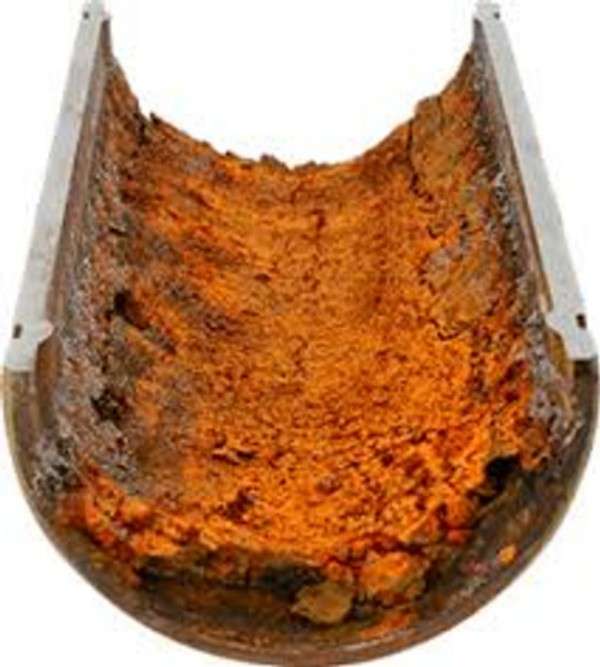
Corrosion is a significant concern in the sugar industry, as the harsh conditions of sugar processing can lead to the deterioration of equipment. PASP-Na has corrosion-inhibiting properties that can be utilized to protect metal surfaces within processing equipment.
By creating a protective layer on metal surfaces, Sodium Polyaspartate minimizes the risk of corrosion, extending the lifespan of critical machinery. This innovative application not only reduces maintenance costs but also enhances operational reliability, ensuring that production runs smoothly.
6. Environmental Compliance and Sustainability
With increasing regulatory scrutiny on industrial processes, environmental compliance is a major concern for sugar producers. Sodium Polyaspartate is a biodegradable polymer that can be safely introduced into wastewater systems, helping manufacturers meet strict environmental standards.
By using Sodium Polyaspartate in their processes, sugar producers can demonstrate their commitment to sustainability. This innovative approach not only aligns with current regulations but also appeals to environmentally conscious consumers looking for eco-friendly products.
7. Supporting High-Quality Sugar Production
Ultimately, the use of Sodium Polyaspartate in the sugar industry supports the production of high-quality sugar. Its multifaceted applications—from scale inhibition and viscosity management to enhanced filtration and corrosion prevention—work together to improve overall production efficiency.
By incorporating Sodium Polyaspartate into their operations, sugar manufacturers can enhance the quality of their final products, leading to increased customer satisfaction and market competitiveness.
Conclusion
Sodium Polyaspartate offers a wealth of innovative applications for the sugar industry, making it an invaluable resource for producers aiming to enhance operational efficiency and product quality. From preventing scale formation to supporting sustainable practices, the versatility of Sodium Polyaspartate paves the way for a more efficient and environmentally friendly sugar production process. As the industry continues to evolve, embracing such innovations will be key to staying competitive in an ever-changing market.