

Call to ask any question
+86 19591574998
WIT INDUSTRIES Services
Biodegradable Gypsum Retarder
Product Description
Enhance Your Gypsum Products with Polyaspartic Acid as a Biodegradable Retarder
Gypsum is a building material widely used in painting, plastering, and decorative parts. In practical applications, in order to keep the gypsum mixed with water plastic for a long period of time, it is usually necessary to add a gypsum retarder to the gypsum slurry to delay its setting time.
At present, the commonly used gypsum retarders include polyphosphate, tartrate, citrate, hydrolyzed protein amino acids, and protein-like structures. Polyphosphate, tartrate, citrate, and other gypsum retarders are cheap, but the retarding effect is poor, the dosage is large, and it has a great influence on the strength of gypsum products; the hydrolyzed amino acid gypsum retarder has a good retarding effect, The impact on the strength of gypsum products is small, but the product performance is unstable and the fluctuation between batches is large, and it is difficult for construction personnel to grasp its usage during use; the imitation protein structure gypsum retarder can combine the advantages of the two, retarding The effect is good and the product performance is stable. For example, the chemically synthesized polyaspartic acid structure has a good retarding effect on gypsum.
Polyaspartic Acid Calcium Salt(PASP-Ca) is an environmentally friendly biodegradable wide-temperate concrete retarder. Polyaspartic Acid Calcium Salt(PASP-Ca) is added to gypsum as a retarder to prolong the setting time of gypsum-building materials and reduce the strength loss of the gypsum-hardened body. The retarder is a water-soluble amino acid degradable polymer with very good biodegradability and is a green and environmentally friendly polymer material. The molecular structure of the retarder contains a large number of carboxyl, carbonyl, acyl, and other groups, these groups can form complexes with Ca2+, reduce the dissolution rate of gypsum, limit the diffusion of Ca2+ to gypsum crystals, and hinder the hydration of gypsum particles, thus Realize its retarding effect. At the same time, the strength loss caused by the deterioration of the gypsum pore structure caused by the high water-to-paste ratio is reduced.
Product Properties
Polyaspartic Acid Calcium Salt(PASP-Ca) not only has an excellent retarding effect in the temperate zone of 10-200°C, but also can be biodegraded, does not pollute the environment, and is environmentally friendly. The gypsum retarder is added to the gypsum, and the added amount of the gypsum retarder is 0.01-0.2% of the total weight of the gypsum in terms of dry matter. Under this dosage, the initial setting time of gypsum can reach 24-302 minutes. If a longer initial setting time is required, the dosage can be increased on this basis. If a shorter initial setting time is required, reduce the dosage on this basis.
Product Specifications
- Appearance: Brown-Yellow Powder
- Moisture: ≦7.0
- Bulk Density,g/cm3: 0.30-0.50
- Sieve Residual(50 Mesh),% :≦5.0
- PH(1%): 4.0- 7.0
- Appearance: Brown-Yellow Powder
- Moisture: ≦7.0
- Bulk Density,g/cm3: 0.20-0.45
- Sieve Residual(50 Mesh),% ≦5.0
- PH(1%): 8.0- 10.5
Key Benefits of Polyaspartic Acid in Gypsum Retarder Applications
1. Extended Working Time
One of the primary advantages of Polyaspartic Acid in gypsum applications is its ability to extend the setting time. This is crucial in construction projects that require more time for mixing, spreading, and molding gypsum-based materials. By slowing down the crystallization process, PASP allows contractors to work with gypsum longer without the risk of premature setting.
2. Improved Workability
Polyaspartic Acid enhances the flowability of gypsum slurry, making it easier to apply and manipulate during construction. Whether it’s smoothing plaster over surfaces or shaping intricate molds, the improved workability ensures more efficient and high-quality outcomes. PASP helps reduce friction between particles, allowing gypsum mixtures to be spread more evenly and with less effort.
3. Biodegradable and Eco-Friendly
Polyaspartic Acid is biodegradable, making it a green alternative to traditional retarders, which may contain toxic or non-degradable compounds. When used in gypsum applications, PASP ensures that the end product remains environmentally friendly without compromising on performance. This makes it ideal for eco-conscious builders, architects, and companies striving to meet green building standards or sustainability goals.
4. Prevents Premature Cracking
In gypsum products, especially in delicate or large-scale projects, water evaporation can lead to premature cracking or shrinkage. By slowing down the hardening process, Polyaspartic Acid helps retain moisture in the gypsum, preventing the formation of cracks. This is particularly valuable for gypsum boards and plaster that are used in environments with fluctuating humidity levels.
5. Enhances Final Product Strength
Polyaspartic Acid not only extends the working time but also contributes to the final strength of the gypsum. It does so by controlling the formation of gypsum crystals, ensuring they are more uniform and less prone to defects. As a result, gypsum products with PASP tend to have higher compressive strength and durability, making them more resilient in construction applications.
Main Applications
The Applications of Polyaspartic Acid in Gypsum
Biodegradable Gypsum Retarder is mainly used as a retarder for desulfurized gypsum, desulfurized gypsum products, desulfurized gypsum-based building materials, phosphogypsum and phosphogypsum products, and phosphogypsum-based building materials.
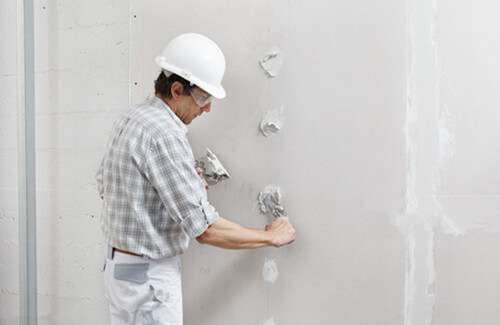
- Building Plaster: PASP is ideal for use in plaster products where extended workability and prevention of premature setting are crucial. It ensures that the plaster can be applied smoothly and with ease, allowing workers to achieve high-quality finishes.
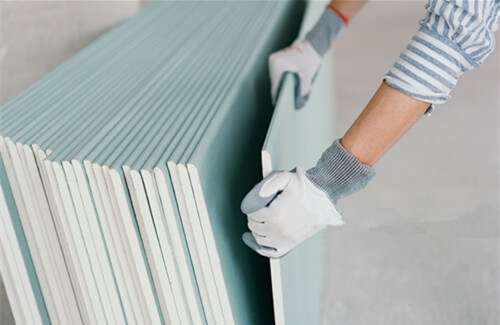
- Gypsum Board Production: In the manufacturing of gypsum boards, PASP helps control the setting time, allowing for more precise production processes. The improved workability also reduces waste during the production cycle, making the manufacturing process more efficient.
- Decorative Gypsum: For applications requiring detailed moldings, carvings, or decorative finishes, PASP provides the extra time needed for intricate work. The enhanced workability ensures that fine details are preserved and that the final product is flawless.
- Repair and Restoration: Polyaspartic Acid is beneficial for gypsum-based repair materials. Whether used in small repairs or large-scale restoration projects, the retarder ensures that the gypsum doesn’t set too quickly, giving technicians more time to properly apply and shape the material.

Why Choose Polyaspartic Acid for Your Gypsum Retarder Needs?
Polyaspartic Acid is a superior solution for companies seeking to improve their gypsum products while adhering to sustainability standards. By choosing PASP, you gain the following advantages:
- Environmental sustainability through biodegradability.
- Enhanced performance in terms of setting control and final product strength.
- Improved ease of use for construction workers and manufacturers, leading to higher-quality outputs and reduced material waste.
Ready to Improve Your Gypsum Products?
If you’re looking to optimize your gypsum products with a biodegradable retarder, Polyaspartic Acid is the solution you need. Whether you’re manufacturing gypsum boards, plaster, or decorative pieces, PASP offers a unique blend of performance and sustainability.
Contact us today to learn more about how Polyaspartic Acid can improve your gypsum applications. Our team is here to help you incorporate this cutting-edge technology into your products and processes.
Contact us
Let us take care of your new project
Everyday from
8:00 – 6:00
call to ask a question
+86 19591574998
Get in Touch
Right Now